Irish Garment Identifier: Hoodie vs. Crewneck
Staring at a label in Penneys or browsing online? Use this tool to determine if your garment is technically a Hoodie or a Crewneck Sweatshirt, and learn the correct Irish term for it.
Key Features Detected:
Styling & Weather Tip:
Select your garment features on the left and click "Identify My Garment" to see the classification and Irish terminology.
You’re walking down Grafton Street on a drizzly Tuesday afternoon in Dublin. You see someone wearing what looks like a hoodie, but the hood is missing. It’s just a pullover with long sleeves and a round neck. You might wonder: what is a hoodie without a hood called? Is it a mistake? A specific style? Or just a sweatshirt?
If you’ve ever stared at a label in Penneys or Brown Thomas trying to figure out if that item is technically a "hoodie," you’re not alone. In Ireland, where layering for unpredictable weather is practically a national sport, knowing the difference between these garments isn’t just trivia-it helps you shop smarter and dress better for our damp, windy climate.
The Short Answer: It’s a Crewneck Sweatshirt
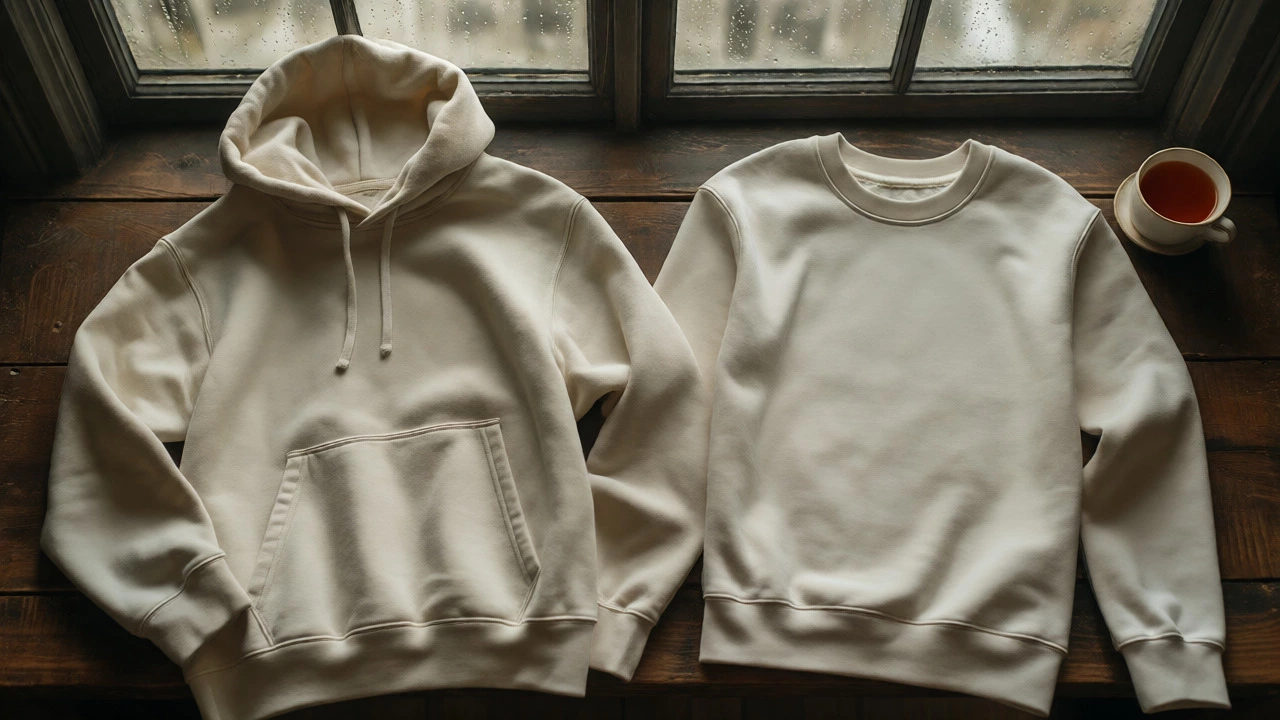
Let’s cut through the confusion right away. A hoodie without a hood is primarily known as a Crewneck Sweatshirt. While people often use the terms interchangeably in casual conversation, they are distinct categories of apparel. The defining feature of a hoodie is, obviously, the hood. Remove that, and you are left with a sweatshirt featuring a ribbed crew neckline.
In the Irish market, this distinction matters because of how we wear clothes. We don’t just buy for warmth; we buy for versatility. A crewneck sits neatly under a coat or a blazer. A hooded top adds bulk around the neck, which can look messy when layered under formal outerwear. If you’re heading to an office in Cork City Centre or meeting clients in Galway, a crewneck is often the safer, cleaner bet than a hoodie.
Why the Confusion Exists
Marketing plays a huge role here. Many brands, especially fast-fashion retailers popular in Ireland like Primark (which originated here) and H&M, sometimes list items loosely. They might tag a plain sweatshirt as "hoodie-style" or group them together in online filters. This leads shoppers to assume all heavy cotton pullovers are hoodies. But if you look closely at the construction, the absence of the hood changes the garment's entire identity.
Anatomy of the Garment: What Defines Each Type
To truly understand what you’re buying, you need to look at the details. Let’s break down the structural differences between a hoodie and its hoodless cousin.
| Feature | Hoodie | Crewneck Sweatshirt |
|---|---|---|
| Neckline | V-shaped or rounded opening leading to a attached hood. | Ribbed circular neckline (crew neck). |
| Pockets | Almost always features a front kangaroo pocket. | Often no pockets, or side-seam pockets only. |
| Fit & Layering | Bulkier around shoulders and neck due to hood fabric. | Sleek profile, fits easily under jackets and coats. |
| Formality Level | Casual to Sporty. | Casual to Smart-Casual. |
| Common Use in Ireland | Outdoor activities, commuting, gym wear. | Office casual, evening outings, light layering. |
Notice the pocket difference. That big kangaroo pouch is a hallmark of the hoodie. It’s designed for warming hands-essential during those chilly evenings by the Liffey. A traditional crewneck usually lacks this, prioritizing a smoother silhouette over utility. If you find a sweatshirt with a hood removed but still keeping the kangaroo pocket, it’s essentially a hybrid, often marketed as a "hoodless hoodie," but purists will still call it a sweatshirt.
Irish Context: Why Weather Dictates Terminology
Ireland’s weather is famously changeable. One minute it’s sunny in Kilkenny, the next it’s pouring in Belfast. This variability has shaped our wardrobe choices. We need layers that work in multiple scenarios.
A hoodie is great for sudden rain showers because the hood offers immediate protection. However, once you’re indoors-in a pub, a university lecture hall, or a corporate office-that hood becomes dead weight. It bunches up behind your neck and looks unpolished. This is why the crewneck sweatshirt remains so popular across the island. It provides the same thermal comfort as a hoodie but maintains a tidy appearance suitable for semi-formal settings.
Consider the local culture of "smart casual." In many Irish workplaces, jeans are acceptable, but a ratty hoodie might not be. A high-quality crewneck from a brand like Arkait or a tailored option from Zara bridges that gap perfectly. It signals effort without being stiff. When you ask friends in Dublin or Limerick about their go-to layer, you’ll hear "sweater" or "jumper" more often than "hoodie" for indoor settings, even if the material is technically sweatshirt fleece.
Terminology Across the Island: Jumper vs. Sweater
Before we go further, let’s address a linguistic quirk unique to us. In Ireland, we rarely say "sweatshirt" in everyday chat. We say "jumper." If you walk into a Dunnes Stores and ask for a "sweatshirt," the assistant might look confused. Ask for a "cotton jumper," and you’ll get exactly what you want.
So, when you search for "what is a hoodie without a hood called," you should also add "cotton jumper" to your mental dictionary. Here’s how the terms map out locally:
- Hoodie: Still commonly called a hoodie or hoody. Universally understood.
- Crewneck Sweatshirt: Referred to as a "plain jumper," "round-neck jumper," or simply "sweater" (though sweater often implies knitted wool/cashmere).
- Fleece: Often used interchangeably with sweatshirts in outdoor contexts, though technically different fabrics.
This language barrier can make online shopping tricky. If you’re browsing international sites, stick to "crewneck sweatshirt." If you’re shopping locally or asking staff, use "jumper." Knowing both ensures you never end up with the wrong item.
Styling Tips for the Irish Climate
Now that you know the name, let’s talk about how to wear it. Since you’re likely dealing with wind and dampness, styling requires strategy.
Layering Under Outerwear
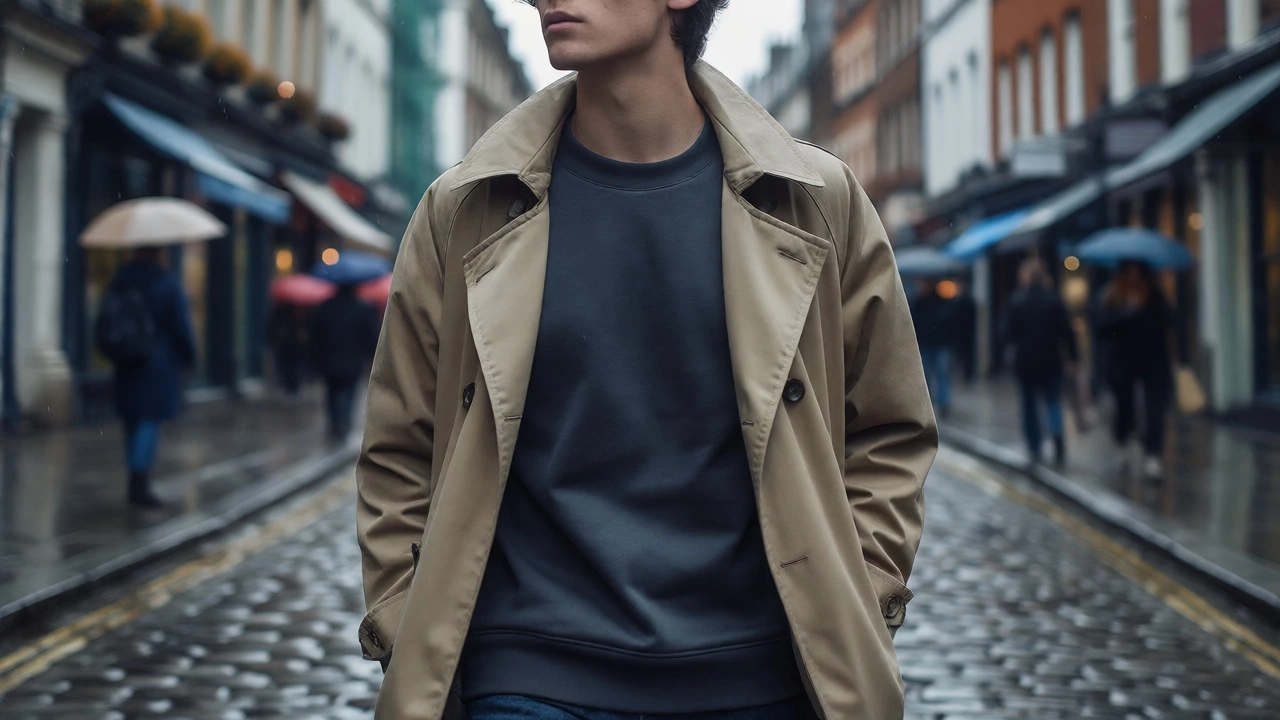
The biggest advantage of the crewneck is its compatibility with trench coats and denim jackets. In Dublin, the trench coat is a staple. A bulky hood ruins the line of a trench. A slim-fit crewneck slides underneath seamlessly. Pair it with dark jeans and white sneakers for a look that works from Trinity College library to a coffee stop in Temple Bar.
The Monochrome Look
Irish fashion trends have leaned heavily into neutral tones-greys, navys, and creams. A charcoal grey crewneck paired with black trousers creates a sophisticated, understated vibe. It’s practical too. Grey hides the occasional splash of rain better than bright colors, a small but significant benefit when navigating cobblestone streets after a shower.
Smart-Casual Workwear
Can you wear a crewneck to work? Yes, if you choose the right one. Look for heavier weight fabrics (400gsm+) that hold their shape. Avoid logos. Pair it with chinos and leather boots. This outfit respects the casual nature of tech startups in Silicon Docks while remaining respectful enough for client meetings.
Where to Buy Quality Crewnecks in Ireland
You don’t need to spend a fortune to get a good fit. Here’s a quick guide to sourcing options based on budget and location.
Budget-Friendly Options
For everyday wear, check out Penneys. Their basic crewnecks are affordable and widely available across the country. Just be mindful of sizing-they run small compared to UK standards. Always try before you buy, or order two sizes if shopping online.
Mid-Range Staples
Brands like Zara and H&M offer trendy cuts. Look for their "premium quality" lines for thicker cotton blends that resist pilling after a few washes. These stores have strong presence in major cities like Cork, Galway, and Waterford.
Local and Sustainable Choices
If you prefer supporting local, look at Irish brands focusing on ethical production. Companies like Arkait (based in Co. Down) specialize in high-performance base layers and jumpers made from Merino wool blends. While pricier, they last years and handle our humidity better than cheap cotton.

Common Mistakes to Avoid
Even seasoned shoppers get tripped up. Here are three pitfalls to watch for when hunting for the perfect hoodless top.
- Ignoring Fabric Weight: Thin, lightweight sweatshirts lose shape quickly. For Irish winters, aim for mid-weight to heavy-weight fleece-backed cotton. It traps heat without adding excessive bulk.
- Wrong Neckline Fit: A crewneck should sit close to the collarbone. If it’s too loose, it looks sloppy. If it’s too tight, it restricts movement. Check the shoulder seams-they should align with your actual shoulders, not droop down your arms unless you’re going for an oversized streetwear look.
- Assuming All "Jumpers" Are Knitted: As mentioned, "jumper" covers both knitted wool and cotton fleece. Clarify the material if texture matters to you. Cotton fleece is softer against the skin but less warm than wool.
Care Instructions for Longevity
Ireland’s washing habits often involve shorter cycles to save energy, but this can harm synthetic blends. To keep your crewnecks looking new:
- Wash inside out to prevent fading and pilling.
- Use cold water (30°C max). Hot water shrinks cotton.
- Avoid tumble drying if possible. Air dry on a rack, especially if you live in a humid area near the coast like Clontarf or Salthill. Tumble drying can cause shrinkage and static buildup.
- Store folded, not hung. Hanging stretches the neckline over time.
Final Thoughts
So, next time you spot that sleek, hood-free pullover, you’ll know exactly what it is. It’s a crewneck sweatshirt, or locally, a plain jumper. It’s not just a hoodie minus a part; it’s a distinct garment designed for layering, professionalism, and clean aesthetics.
Understanding this distinction empowers you to build a wardrobe that handles Ireland’s whimsical weather with grace. Whether you’re braving the wind on the Aran Islands or dodging puddles in Dublin, choosing the right neckwear makes all the difference. Keep your hoods for the storm, and your crewnecks for the calm.
Is a crewneck sweatshirt warmer than a hoodie?
Generally, no. A hoodie provides extra insulation around the head and neck due to the hood, which is a significant source of heat loss. However, a thick crewneck worn under a coat may feel warmer in controlled environments because it doesn't create bulk under the jacket. In direct exposure to wind, the hoodie wins.
Can I wear a crewneck sweatshirt to a wedding in Ireland?
It depends on the venue and dress code. For a casual outdoor wedding or a barn celebration, a smart, dark-colored crewneck under a blazer is acceptable. For a formal church ceremony or hotel reception, a collared shirt or fine-knit sweater is preferred. Avoid athletic-style crewnecks with large logos.
Why do Irish people call sweatshirts "jumpers"?
This is a linguistic convention common in Ireland and parts of the UK. "Jumper" historically referred to any pullover garment. While "sweatshirt" specifies the fabric (usually cotton fleece), "jumper" is the generic term for any top pulled over the head. Using "jumper" is culturally natural and understood universally in Ireland.
Are hoodies without hoods considered fashionable in 2026?
Yes. Minimalist fashion continues to dominate trends. Clean lines, lack of unnecessary hardware, and versatile layering pieces like crewnecks are highly favored. They pair well with current trends like wide-leg trousers and structured coats, making them a timeless staple rather than a passing fad.
How do I stop my crewneck sweatshirt from shrinking?
Always wash in cold water and air dry. If you must use a dryer, select the lowest heat setting and remove the item while slightly damp. Pre-washed or pre-shrunk cotton labels are a good indicator of durability. Buying a size up can also account for minor shrinkage over time.