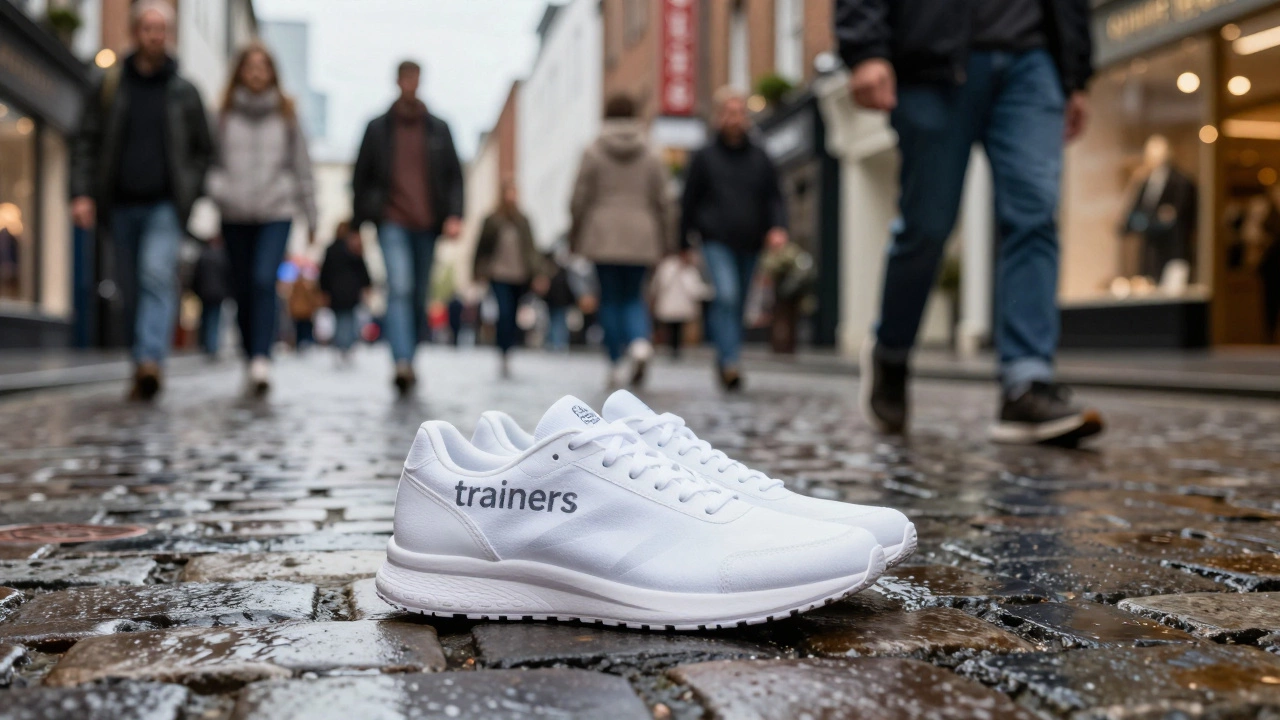
Irish Footwear Slang Translator
Walk down Grafton Street in Dublin or browse the racks at Brown Thomas, and you might hear a conversation that sounds confusing if you’re visiting from the US. Someone asks for "trainers," while another person insists they need their "plimsolls." If you’ve ever wondered what are sneakers called now, especially within the unique linguistic bubble of Ireland, you aren’t alone. The answer isn’t just one word; it’s a complex web of history, geography, and British influence.
In Ireland, the term "sneaker" is rarely used by locals. It sounds distinctly American. Instead, the vocabulary shifts depending on your age, where you grew up, and exactly what kind of shoe you’re talking about. Understanding these nuances helps you navigate local shops, chat with friends in Cork or Galway, and avoid looking like an outsider when asking for advice on comfort during a rainy hike in the Wicklow Mountains.
The Dominant Term: Trainers
If you walk into any major retailer in Ireland-whether it’s JD Sports in Dundrum Town Centre, Marks & Spencer in Galway, or a local sports shop in Limerick-the section for athletic footwear will almost always be labeled "Trainers." This is the standard, modern term for sneakers designed for running, gym work, or general casual wear.
Trainers are athletic shoes primarily designed for physical exercise, but widely adopted as everyday casual footwear in Ireland. They typically feature rubber soles, synthetic uppers, and cushioning technology. In the Irish context, this term covers everything from high-end Nike Air Max models to basic gym shoes found in Decathlon.
The word "trainer" comes from the idea of training for sport. However, over the last two decades, the line between performance gear and street style has blurred completely. A pair of white leather Adidas Stan Smiths or New Balance 574s are considered "trainers" even if you never step foot in a gym. For most people under 50 in Ireland, "trainers" is the default catch-all term. If you ask a barista in Temple Bar for recommendations on comfortable walking shoes, they will tell you to buy good trainers.
The Older Generation: Plimsolls
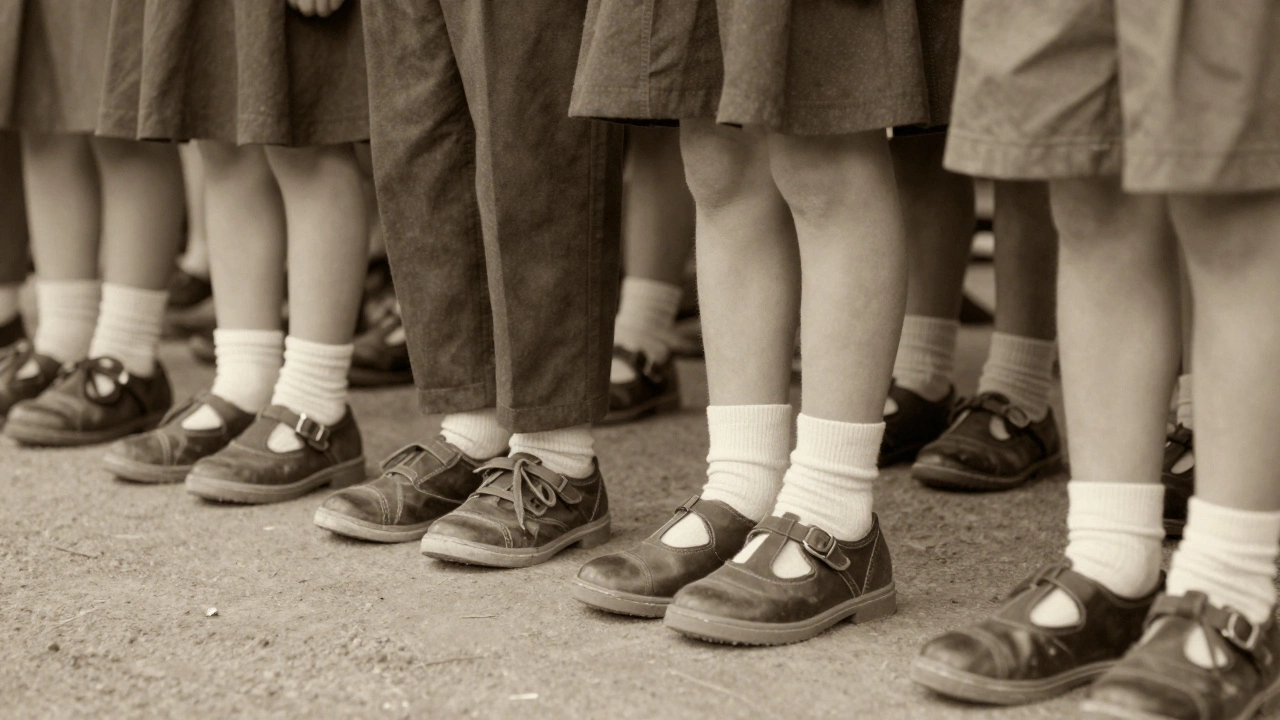
Here is where it gets interesting. If you talk to someone older, particularly those who went to school in the mid-20th century, you might hear the word "plimsolls." This term is deeply rooted in Irish educational history. In primary schools across Ireland, children were required to wear specific canvas shoes for Physical Education (PE) class. These were cheap, flat-soled, canvas shoes with thin rubber toes and heels.
Unlike "trainers," which implies technology and cushioning, "plimsolls" refers to a very specific, utilitarian object. Today, using the word "plimsoll" usually carries a nostalgic or slightly derogatory tone. It suggests something old-fashioned, uncomfortable, or strictly functional. You won’t see trendy brands marketing themselves as plimsolls. However, the term persists in the collective memory. An older Irish person might refer to their first pair of canvas sneakers as plimsolls, distinguishing them from the expensive, bulky trainers worn by younger generations.
Regional Variations and Dialect Nuances
Ireland may be small, but its dialects vary significantly from north to south and east to west. While "trainers" is universally understood, there are subtle regional preferences.
- Dublin and the East: Heavily influenced by global trends and British media. "Trainers" is dominant. You might also hear "kicks" among younger urban demographics, borrowing from hip-hop culture.
- The West (Galway, Mayo): More traditional usage. "Plimsolls" might still be used by older residents to describe simple canvas shoes. There is less pressure to use trendy slang here.
- The South (Cork, Kerry): Cork has a distinct identity. While "trainers" is common, the pronunciation and cadence differ. Locals might emphasize the practicality of footwear due to the rugged terrain and frequent rain.
It is worth noting that unlike Scotland, where "turn-ups" or other specific terms might appear, Ireland does not have a widely recognized alternative to "trainers" outside of the generational divide between trainers and plimsolls. The influence of the United Kingdom is strong here, as Irish English shares many lexical features with British English.
American Influence: Why "Sneakers" Fails in Ireland
You might wonder why the American term "sneakers" didn’t take hold. Partly, it’s due to historical ties with Britain. Until recently, Irish television, music, and fashion trends flowed primarily from London. The British term "trainers" stuck. Additionally, the word "sneaker" itself is somewhat opaque. It originally referred to the quiet rubber soles that allowed athletes to sneak up on opponents in sports like croquet or tennis. Without that cultural context, the word doesn’t roll off the tongue as naturally as "trainers" for an Irish speaker.
However, with the rise of streaming services and global social media, awareness of the term "sneakers" is growing, especially among sneakerheads and collectors. In niche communities in Dublin, such as those gathering around limited-edition drops at stores like Sole Supplier, you might hear enthusiasts use "sneakers" to sound more international or aligned with US streetwear culture. But in everyday conversation, it still marks you as an outsider.
Other Footwear Terms in the Irish Lexicon
To fully understand what sneakers are called, you need to know what they are *not*. Ireland has specific terms for other types of shoes that often get confused.
| Term | Description | Usage Context |
|---|---|---|
| Trainers | Cushioned athletic/casual shoes | Everyday wear, gym, running |
| Plimsolls | Flat canvas shoes with rubber toe/heel | Nostalgic, school PE, older generation |
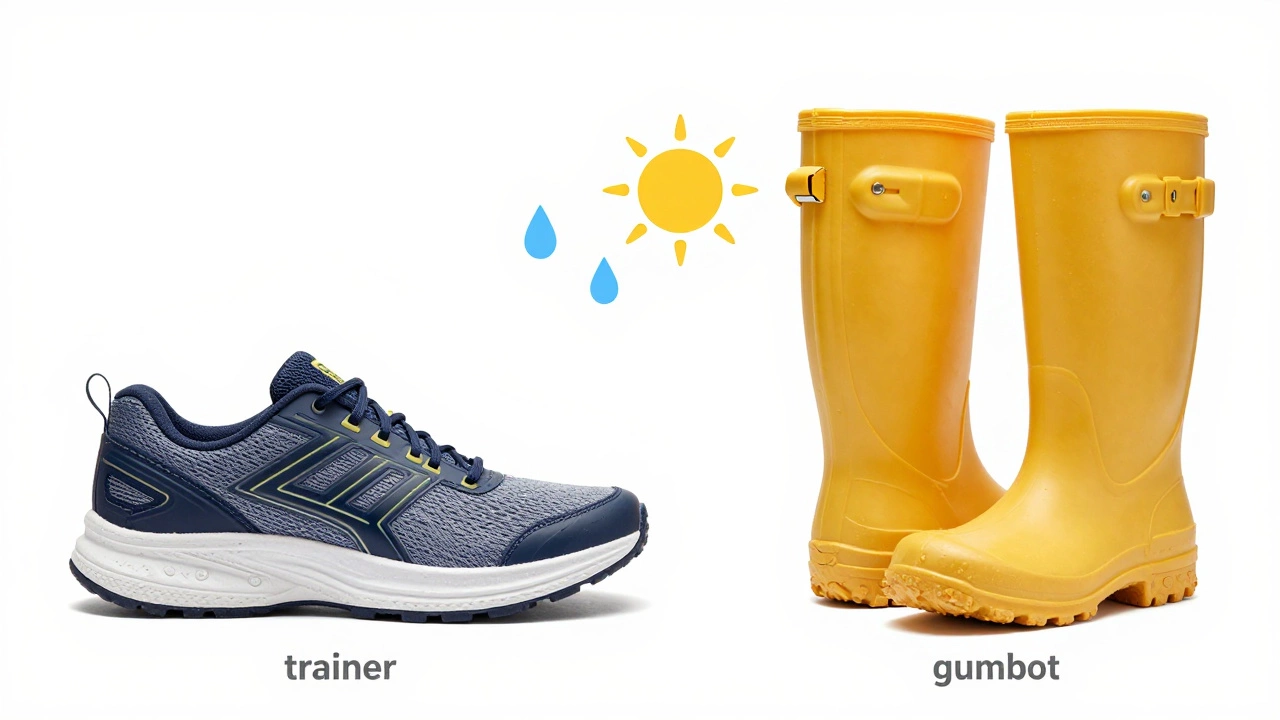
| Gumboots | Rubber Wellington boots | Farming, heavy rain, festivals |
| Lace-ups | General term for any shoe with laces | Formal or semi-formal contexts |
| Wellies | Short for Wellington boots | Casual outdoor wear, gardening |
Note the distinction with "gumboots" or "wellies." In Ireland, weather dictates footwear. During the wet months, trainers are often impractical. Locals switch to gumboots (a term more common in rural areas and the west) or wellies (more common in urban settings). You wouldn’t call a boot a trainer, no matter how fashionable it looks. Similarly, "lace-ups" is a generic term that can include dress shoes, hiking boots, and trainers, so it lacks specificity.
Buying Shoes in Ireland: Practical Advice
If you are shopping for footwear in Ireland, knowing the right terms can save time. When searching online on sites like Amazon.ie, Zara.ie, or ASOS, use "trainers" for best results. If you search for "sneakers," you will likely find results, but they may be dominated by American imports or niche brands. Local retailers like Jack Wills, Ted Baker, or even supermarket chains like Tesco and Dunnes Stores will categorize their athletic footwear under "Trainers."
For those interested in sustainable or local options, Ireland has a growing scene of independent shoe repair shops and cobbler services, particularly in cities like Cork and Kilkenny. Extending the life of your trainers is becoming a cultural trend, driven by both cost-of-living concerns and environmental awareness. Knowing that your "trainers" can be resoled or repaired adds value to the purchase.
The Future of Irish Footwear Slang
Language evolves. As globalization continues, we may see "sneakers" gain more traction among Gen Z in Ireland, especially through TikTok and Instagram influencers. However, "trainers" is deeply embedded in the daily lexicon. It is short, descriptive, and culturally accepted. "Plimsolls" will likely remain a historical footnote, used mostly in literature or by older generations reminiscing about school days.
So, what are sneakers called now in Ireland? Mostly, they are trainers. Sometimes, nostalgically, plimsolls. Rarely, sneakers. Knowing this difference shows respect for local culture and helps you communicate more effectively with the people around you.
Do people in Ireland say sneakers?
Generally, no. Most people in Ireland use the term "trainers" for athletic or casual rubber-soled shoes. "Sneakers" is recognized as an American term and is rarely used in everyday conversation, though it may appear in niche fashion circles or among younger people influenced by US culture.
What is the difference between trainers and plimsolls?
Trainers are modern, cushioned athletic shoes suitable for running or casual wear. Plimsolls are older-style, flat canvas shoes with thin rubber soles, traditionally used for school PE classes. Plimsolls are largely outdated and associated with nostalgia or older generations.
Why do Irish people call them trainers?
The term comes from the British English tradition, as Ireland shares many linguistic roots with the UK. "Trainers" refers to shoes used for physical training. Over time, the term expanded to include all types of casual athletic footwear, regardless of whether they are actually used for exercise.
Are gumboots the same as trainers?
No. Gumboots (or wellies) are waterproof rubber boots used for wet weather, farming, or muddy conditions. Trainers are breathable, lightweight shoes made of fabric or leather, unsuitable for heavy rain or mud. In Ireland, gumboots are essential for winter, while trainers are for dry, everyday use.
Where can I buy trainers in Ireland?
You can buy trainers at major retailers like JD Sports, Decathlon, Marks & Spencer, and Brown Thomas. Supermarkets like Tesco and Dunnes Stores also offer affordable options. Online, Amazon.ie and ASOS deliver widely across Ireland. Independent shoe shops in cities like Dublin, Cork, and Galway offer curated selections.