Irish Summer Fabric Selector
Select your planned activity to discover which fabric will keep you most comfortable in Ireland's unique climate.
Active Outdoors
Hiking, exploring markets, or walking by the coast.
Evening Event
Weddings, concerts, or nice dinners in the city.
City Casual
Coffee dates, shopping, and pub lunches.
Unpredictable Weather
Mix of sun, wind, and potential rain showers.
Why it works:
Performance Score:
Summer in Ireland is a bit of a trickster. One minute you are basking in the golden hour light at Howth Head, and the next, a sudden Atlantic shower has you sprinting for cover. But when the sun does decide to shine-and it often does during those long, lazy June evenings-the last thing you want is to feel like you are wrapped in plastic. If you are looking for summer dresses that actually keep you cool rather than trapping heat, the secret lies entirely in the material. Forget synthetic blends that cling when you sweat; we need fabrics that breathe, wick moisture, and handle our unique mix of humidity and breeze.
The Case for Linen: Ireland’s Native Superstar
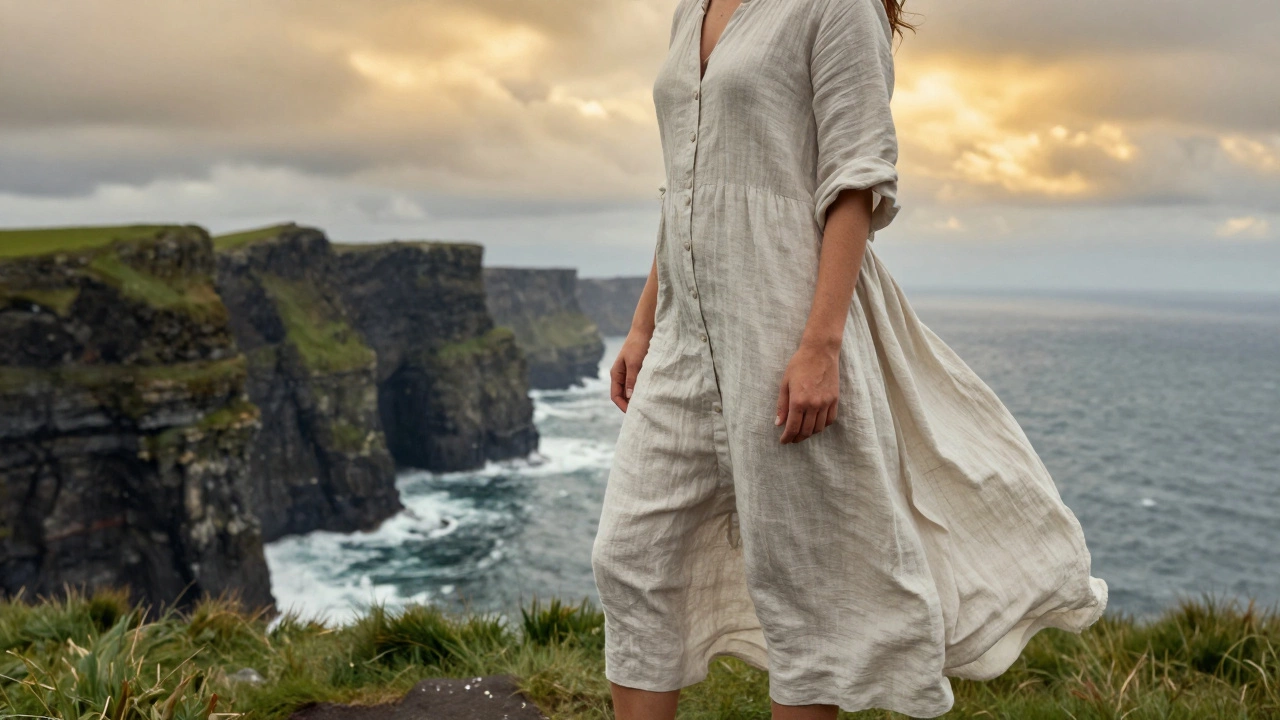
If there is one fabric that belongs to this island, it is linen. Historically, Ireland was one of the world’s leading producers of flax, the plant from which linen is made. Today, wearing linen feels less like a fashion choice and more like connecting with heritage. You can find high-quality linen pieces in independent boutiques along Grafton Street in Dublin or in coastal shops in West Cork.
Linen is a textile made from the fibers of the flax plant (Linum usitatissimum), known for its exceptional breathability and moisture-wicking properties. It is naturally antibacterial and becomes softer with every wash, making it ideal for Ireland's variable summer climate.
Why does linen work so well here? First, it is highly breathable. The loose weave allows air to circulate freely against your skin, which is crucial when you are walking through crowded spots like Temple Bar or standing in line for ice cream in Galway City. Second, it absorbs moisture quickly and releases it into the air. That means if you do get caught in a warm spell near the Cliffs of Moher, you won’t stay damp and clammy. Yes, linen wrinkles. Embrace it. In Ireland, a slightly crumpled linen dress signals that you have been out enjoying the day, not sitting stiffly in an office. Look for brands like Kilkenny Linen or local designers who prioritize natural dyes.
Cotton: The Reliable Everyday Hero
While linen gets all the glory, cotton remains the backbone of summer wardrobes across Ireland. Not all cotton is created equal, though. For the best cooling effect, you want lightweight weaves like voile, lawn, or poplin. These fabrics are thin enough to let the sea breeze through but sturdy enough to withstand a sudden gust on the Wild Atlantic Way.
Cotton is also incredibly versatile. A simple cotton shift dress can take you from a morning market visit in Kinsale to a casual pub dinner in Ennis. It is easy to care for, machine washable, and generally affordable. When shopping, check the label for "100% cotton." Avoid polyester-cotton blends if your main goal is staying cool. Polyester traps heat and holds onto odors, which is no fun when you are exploring the Ring of Kerry on foot. Stick to organic cotton options where possible, as they tend to be processed with fewer chemicals, reducing the risk of skin irritation during sweaty days.
Tencel and Lyocell: The Modern Moisture Managers
If you prefer a smoother, silkier feel without the high maintenance of actual silk, look for Tencel or Lyocell. These are branded forms of lyocell, a fiber made from wood pulp, usually eucalyptus. This material is gaining popularity in Irish sustainable fashion circles because it is produced in a closed-loop system that recycles water and solvents.
Tencel is fantastic for Ireland’s humid summers. It absorbs moisture better than cotton and dries faster. The fabric has a slight sheen and drapes beautifully, making it perfect for evening events, such as a wedding in a country house hotel in Wicklow or a concert at the Three Arches Venue. It is also temperature regulating, meaning it keeps you cool when it is hot and provides a bit of warmth when the evening chill sets in-a common occurrence in our coastal regions.
Silk: Lightweight Luxury for Dry Heat
Silk might seem counterintuitive for a humid climate, but pure mulberry silk is actually a thermoregulator. It keeps you cool in the heat and warm in the cold. However, silk requires careful handling. It is not the best choice for hiking up Mount Leinster or navigating rough terrain, but it is unbeatable for formal summer occasions.
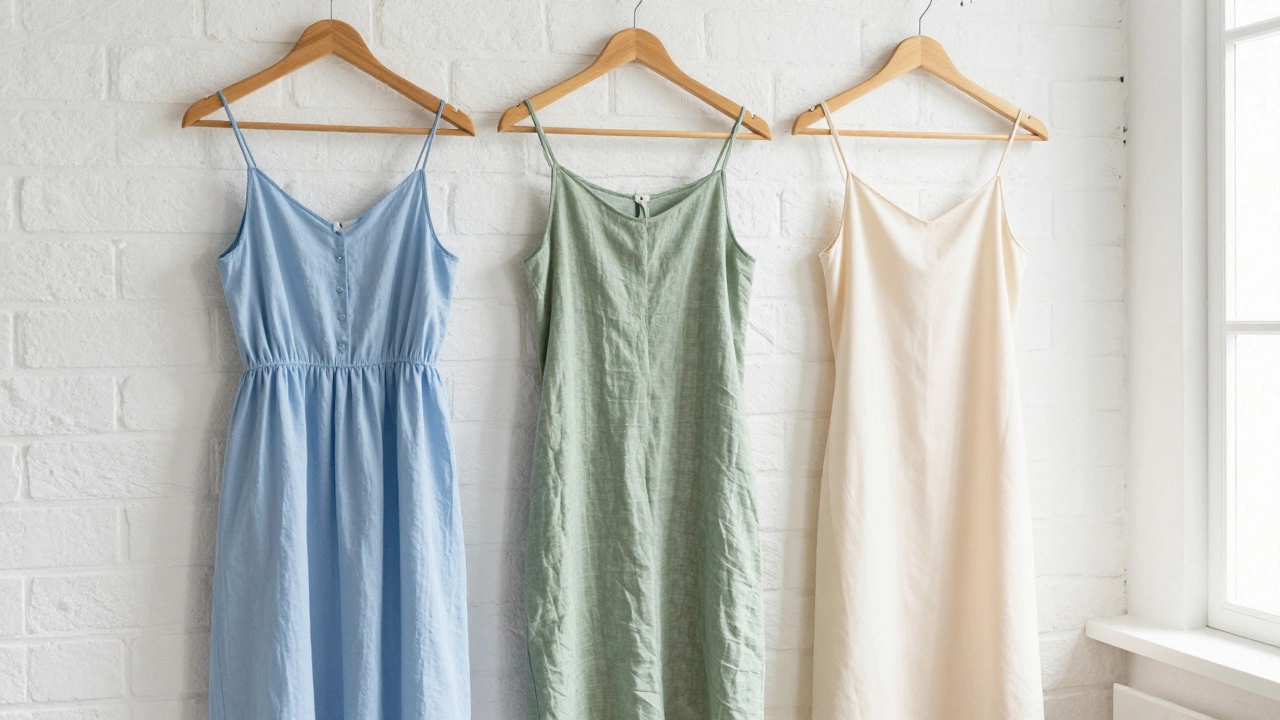
In Ireland, silk works best for indoor events or dry, breezy days. A silk slip dress layered over a t-shirt can be a chic way to transition from day to night in cities like Cork or Limerick. Just remember that silk can be damaged by sweat and saltwater, so avoid wearing it directly to the beach unless you plan to rinse it immediately afterward.
Fabrics to Avoid in Irish Summers
To truly stay cool, knowing what *not* to wear is just as important as knowing what to buy. Here are the materials that will make you regret your outfit choices:
- Polyester: This synthetic fabric acts like a barrier, trapping body heat and preventing sweat from evaporating. It is essentially wearing a raincoat when you want to breathe.
- Acrylic: Often used as a cheap wool alternative, acrylic retains heat and can feel scratchy and uncomfortable against the skin in warm weather.
- Heavy Denim: While jeans are a staple, heavy denim dresses or skirts are too thick for summer. Opt for lighter, stretchier denim or skip it altogether for breathable alternatives.
- Vinyl or Leather: Unless you are going for a very specific aesthetic and don't mind sweating profusely, these non-breathable materials are summer enemies.

Shopping Locally: Where to Find Breathable Styles
Ireland has a vibrant scene of local designers who understand our climate. Instead of relying solely on fast fashion giants, consider supporting Irish brands that prioritize quality and sustainability.
| Brand | Location | Best Fabric | Style Focus |
|---|---|---|---|
| House of CB | Dublin | Satin, Cotton | Evening & Party |
| St. John | Cork | Linen, Silk | Minimalist Chic |
| Lauren Burke | Galway | Cotton, Viscose | Colorful Prints |
| Deirdre Kennedy | Dublin | Silk, Wool Blends | Structured Elegance |
Visiting local markets like the Temple Bar Food Market or the Galway Arts Festival stalls can also yield unique finds. Many artisans create hand-dyed cottons and linens that are perfect for our unpredictable weather. Plus, buying local reduces the carbon footprint associated with shipping clothes halfway around the world.
Layering for the Irish Weather Shift
One of the biggest challenges in Ireland is the rapid change in weather. A sunny morning can turn into a windy, rainy afternoon. The key is layering. Choose a lightweight summer dress made of linen or cotton, and pair it with a light cardigan, a denim jacket, or a trench coat. This way, you can adjust your outfit as the temperature fluctuates.
Footwear also plays a role. Pair your dress with breathable sandals or espadrilles. Avoid heavy boots unless you are prepared for mud. Comfort is king when you are exploring outdoor spaces like Phoenix Park or the Burren.
Care Tips for Natural Fibers
To keep your breathable dresses looking fresh, proper care is essential. Linen should be washed in cold water to prevent shrinking and hung to dry. Ironing while slightly damp helps remove wrinkles. Cotton can usually go in the washing machine on a gentle cycle. Tencel should be washed on a delicate setting to maintain its softness. By treating your fabrics with care, you extend their life and reduce waste, aligning with Ireland’s growing sustainability movement.
Is linen really better than cotton for Irish summers?
Yes, linen is generally superior for hot, humid days because it dries faster and allows more airflow. However, cotton is more wrinkle-resistant and often more affordable, making it a great everyday option.
Where can I buy linen dresses in Ireland?
You can find linen dresses in major department stores like Brown Thomas, but for higher quality, visit specialty shops in Dublin's George's Street Area, Cork's English Market area, or online from Irish designers like House of Holland or local boutiques in Galway.
What should I wear if it rains during a summer event?
Always carry a compact umbrella and a lightweight waterproof layer. Choose dresses made of quick-drying fabrics like Tencel or cotton blends. Avoid silk if you expect heavy rain, as it can stain easily.
Are synthetic fabrics ever okay for summer?
Some modern synthetics are designed for moisture-wicking, such as those used in sportswear. However, for general fashion, natural fibers like linen, cotton, and silk are much cooler and more comfortable in Ireland's climate.
How do I stop my linen dress from wrinkling?
You can't stop it completely, but you can minimize it by steaming instead of ironing, hanging your dress in the bathroom while showering, or accepting the relaxed, crumpled look as part of the linen aesthetic.