Irish Buyer's Activewear Selector
Not sure if you need high-performance gear or stylish comfort? Answer these three questions to find the right category for your next purchase.
Key Features to Look For:
Irish Context Tip:
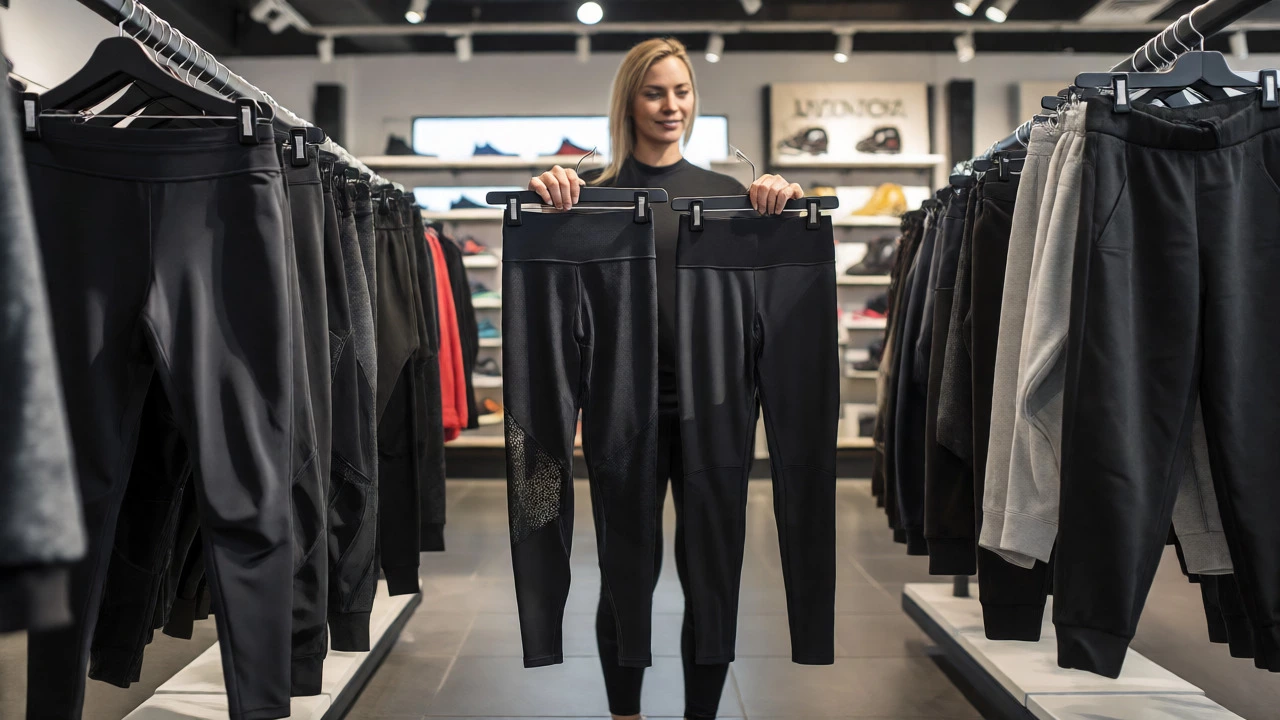
You’ve probably stood in a Arnotts or a local sports store in Dublin, staring at two identical-looking pairs of leggings. One tag says "Athletic Wear," the other says "Sportswear." They cost different amounts, look similar, and you’re left wondering if it’s just marketing nonsense designed to drain your wallet. It’s not. While the terms are often used interchangeably in casual conversation, there is a distinct functional and structural difference between them, especially when you factor in the unpredictable weather we get here in Ireland.
Think of it this way: Athletic wear is performance-focused clothing designed for high-intensity movement, sweat management, and biomechanical support. It’s what you wear when you’re sprinting around Croke Park or grinding through a HIIT class in a city centre gym. Sportswear is casual apparel inspired by sports aesthetics but prioritizing comfort, style, and everyday utility. It’s the tracksuit you wear to grab a coffee on Grafton Street or walk the dog along the Royal Canal. Confusing the two can lead to uncomfortable workouts or wasted money on clothes that don’t fit your lifestyle.
The Core Distinction: Performance vs. Lifestyle
The biggest gap lies in intent. Athletic wear is engineered. If you’re running the Phoenix Park loop, you need fabric that wicks moisture away from your skin so you don’t catch a chill when the wind picks up off the Liffey. Athletic wear uses technical synthetics like polyester blends with elastane (often branded as Lycra or Spandex) to allow four-way stretch. It fits tight to reduce drag and prevent chafing. Seams are flat-locked to avoid rubbing against your skin during repetitive motion.
Sportswear, on the other hand, is about looking good while being comfortable. It might be made from cotton, fleece, or softer synthetic blends that feel nice against the skin but trap heat and moisture. You wouldn’t want to run a marathon in heavy cotton sweatpants; they’d get heavy with sweat and lose their shape. But for sitting in a lecture hall at Trinity College or commuting on the Luas? They’re perfect. Sportswear allows for looser cuts, branding logos, and fashion-forward designs that prioritize how you look over how fast you can move.
| Feature | Athletic Wear | Sportswear |
|---|---|---|
| Primary Purpose | Performance & Support | Comfort & Style |
| Fabric Technology | Moisture-wicking, breathable, quick-dry | Cotton, fleece, soft-touch synthetics |
| Fit | Compression or ergonomic cut | Relaxed, oversized, or tapered |
| Best For | Gym sessions, running, yoga, cycling | Leisure, travel, light walking, lounging |
| Durability | High resistance to sweat and stretching | Standard durability, prone to pilling |
Why the Weather in Ireland Makes This Choice Critical
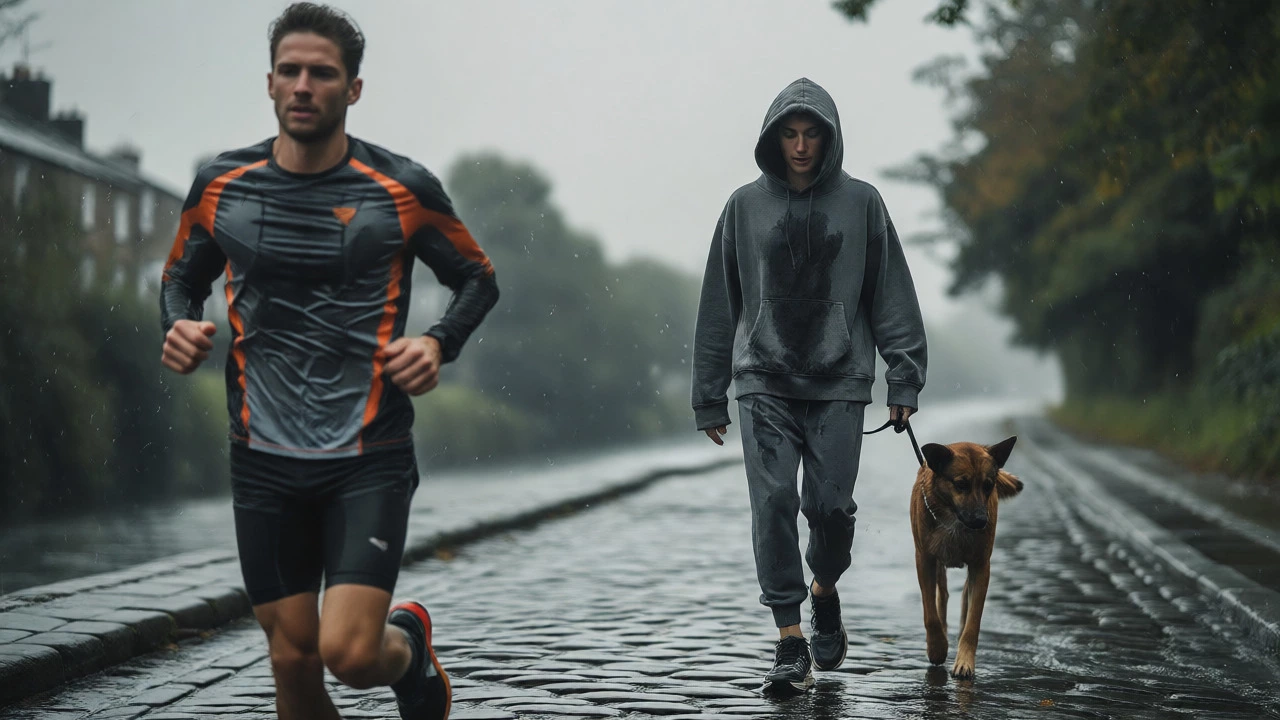
If you live in Cork, Galway, or anywhere along the Wild Atlantic Way, you know that rain doesn’t wait for you to finish your jog. Here, the distinction isn’t just about gym performance; it’s about staying dry and warm. True athletic wear often features water-resistant coatings or tightly woven fabrics that shed light drizzle. Sportswear, particularly cotton-based hoodies from brands like Nike or Adidas’ lifestyle lines, acts like a sponge. Once wet, cotton loses its insulating properties and takes hours to dry in our damp climate.
Consider the layering strategy. In an Irish autumn, you might wear a lightweight athletic base layer under a sportswear hoodie. The base layer manages your body temperature during the active part of your day (maybe you cycled to work), while the outer sportswear layer provides warmth and style when you’re stationary. Mixing these categories incorrectly-like wearing a thick cotton sweatshirt for a intense spin class-leads to overheating followed by immediate cooling once you stop moving. That’s a recipe for catching a cold.
Fabric Science: What’s Actually Inside Your Clothes?
When you check the care label, you’re reading a recipe for performance. Athletic wear relies heavily on polymers. Polyester is the workhorse because it doesn’t absorb water; instead, it pushes sweat to the surface where it evaporates. Nylon adds strength and abrasion resistance, crucial for climbers scaling the cliffs at Howth Head or hikers tackling Wicklow Way trails. Elastane provides the stretch needed for dynamic movements like squats or lunges.
Sportswear leans into natural fibers or brushed synthetics. Cotton is breathable and hypoallergenic, making it great for sensitive skin, but it lacks elasticity. Fleece, often made from recycled plastic bottles (PET), offers excellent thermal insulation without the weight of wool. However, fleece traps odors more than technical athletic fabrics. If you’re planning to wear the same hoodie for three days straight-which happens to the best of us after a long week at the office-athletic fabrics will smell less offensive than cotton or fleece.
Brand Positioning: Decoding Marketing Labels
Major global brands blur these lines intentionally. Take Nike. Their "Pro" line is strictly athletic, designed for compression and muscle support. Their "Sportswear" line, however, includes classic Air Force 1 sneakers and Heritage tracksuits meant for street style. In Ireland, you’ll see people wearing Nike Tech Fleece (technically a hybrid) to pubs, which blurs the line further.
Local Irish brands also navigate this space. Companies like O’Neills traditionally focus on GAA-specific athletic gear, emphasizing durability for contact sports. Meanwhile, newer sustainable Irish startups often produce athleisure-clothing that sits squarely in the middle. These pieces use eco-friendly materials like Tencel or organic cotton blends that offer some moisture management but primarily serve as stylish casual wear. When shopping at Brown Thomas or Penneys, check if the item claims "moisture-wicking" or "four-way stretch." If it doesn’t, it’s likely sportswear, not athletic wear.
How to Build a Versatile Wardrobe for Irish Life
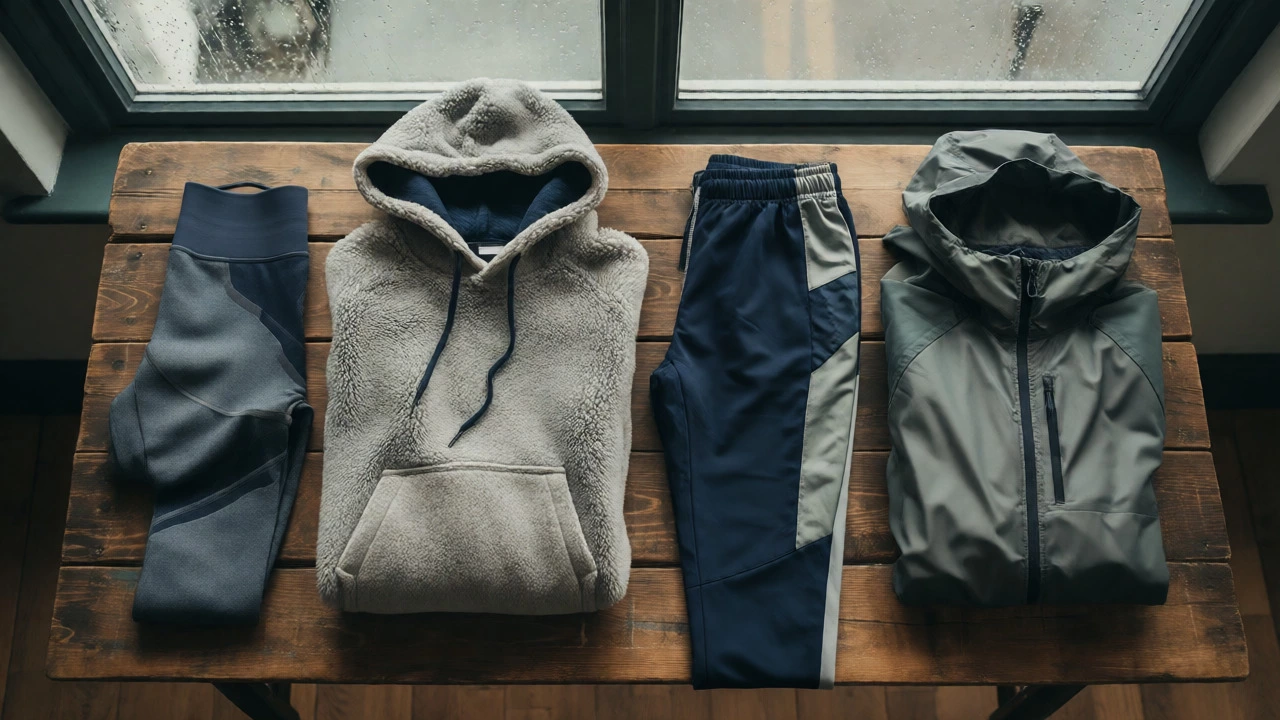
You don’t need a closet full of specialized gear. Most people in Dublin or Belfast benefit from a mix. Start with the essentials based on your activity level:
- For High-Intensity Workouts: Invest in proper athletic wear. Look for seamless leggings, sports bras with encapsulation support (crucial for high-impact activities), and moisture-wicking t-shirts. Brands like Under Armour or specialized running shops in Dublin’s city center are reliable sources.
- For Everyday Comfort: Choose quality sportswear. A well-cut pair of joggers, a zip-up hoodie, and clean sneakers form the backbone of the modern Irish casual uniform. Ensure the fabric has some structure so it doesn’t bag out at the knees after a few hours.
- For Hybrid Days: Consider "Athleisure" pieces. These are designed to pass as both. Think of tapered track pants with side stripes that look sharp enough for a casual Friday but stretchy enough for a lunchtime walk.
Remember the "Rain Check" rule. Always have one waterproof athletic shell in your bag. It’s thin enough to fold into a tote but saves you from soaking through your sportswear layers when the inevitable downpour hits.
Care Instructions: Extending the Life of Your Gear
Ireland’s hard water can be tough on fabrics. Athletic wear requires specific care to maintain its technical properties. Avoid fabric softeners; they coat the fibers and block the pores that allow moisture to escape. Wash athletic gear inside out in cold water to preserve elasticity. Hang dry whenever possible; tumble drying can degrade elastane fibers, causing your expensive leggings to become loose and transparent.
Sportswear is more forgiving but still needs attention. Cotton shrinks, so wash in cold water and reshape while damp. Fleece pills easily, so wash it separately from rougher fabrics like denim. Using a laundry ball can help reduce friction. Proper care ensures that whether you’re buying premium athletic wear or budget-friendly sportswear, the items last through multiple seasons of Irish weather.
Can I wear athletic wear outside the gym?
Yes, but context matters. Compression tops and bright neon running shorts might look out of place in a typical Dublin café unless paired carefully. Modern athletic wear is increasingly designed with minimalist aesthetics, allowing it to blend into casual settings. However, overly technical gear may feel too restrictive or sweaty for sedentary environments compared to relaxed sportswear.
Is cotton better than synthetic fabric for Irish winters?
Not for active pursuits. Cotton absorbs moisture and stays wet, which draws heat away from your body rapidly in cold, windy conditions-a phenomenon known as evaporative cooling. Synthetic athletic fabrics keep you drier and warmer. For static winter wear, wool or heavy fleece sportswear is superior, but for anything involving movement, stick to synthetics or merino wool blends.
What is the most common mistake people make when buying activewear in Ireland?
Ignoring the fit for their specific body type and activity. Many buy based on brand hype rather than function. Another common error is choosing cotton-heavy blends for running, assuming they are breathable. In reality, they become heavy and chafe-prone when wet. Always test the fabric's stretch and recovery before purchasing.
Are expensive brands worth it for casual sportswear?
Not necessarily. For casual wear, mid-range brands often provide equal comfort and durability at a lower price point. Premium pricing in sportswear often covers branding and design exclusivity rather than superior material science. However, for high-performance athletic wear, higher prices usually correlate with better fabric technology, seam construction, and longevity.
How do I know if my leggings are athletic or just sportswear?
Check the squat test. Put them on and squat deeply. If they become sheer or slide down, they lack the density and compression required for athletic use. Athletic leggings should remain opaque and stay in place during vigorous movement. Also, check the waistband; athletic wear typically has a wide, non-roll waistband for stability during exercise.