Safety Shoe Selector Tool
Select the hazards present in your daily work environment.
Recommended: --
EN ISO 20345Description goes here.
Included Protections:
Select your working conditions to determine the legally compliant footwear standard required by the HSA.
If you’re standing on a construction site in Dublin or walking the aisles of a warehouse in Cork, your footwear isn’t just about comfort-it’s about survival. In Ireland, where weather conditions can turn a dry pavement into a slippery hazard within minutes, understanding the difference between safety shoes and standard work shoes is critical. Many workers confuse the two, assuming that any sturdy boot offers protection against falling objects or electrical hazards. This misconception can lead to serious injuries and non-compliance with Irish health and safety regulations.
The distinction lies in certification and specific protective features. While work shoes are designed for durability and general occupational use, safety shoes must meet rigorous international standards, specifically EN ISO 20345, to protect against impact, compression, and other workplace risks. For employers and employees across Ireland, from the tech hubs of Galway to the industrial zones of Limerick, knowing which pair to wear ensures both legal compliance and personal safety.
The Core Difference: Certification and Protection
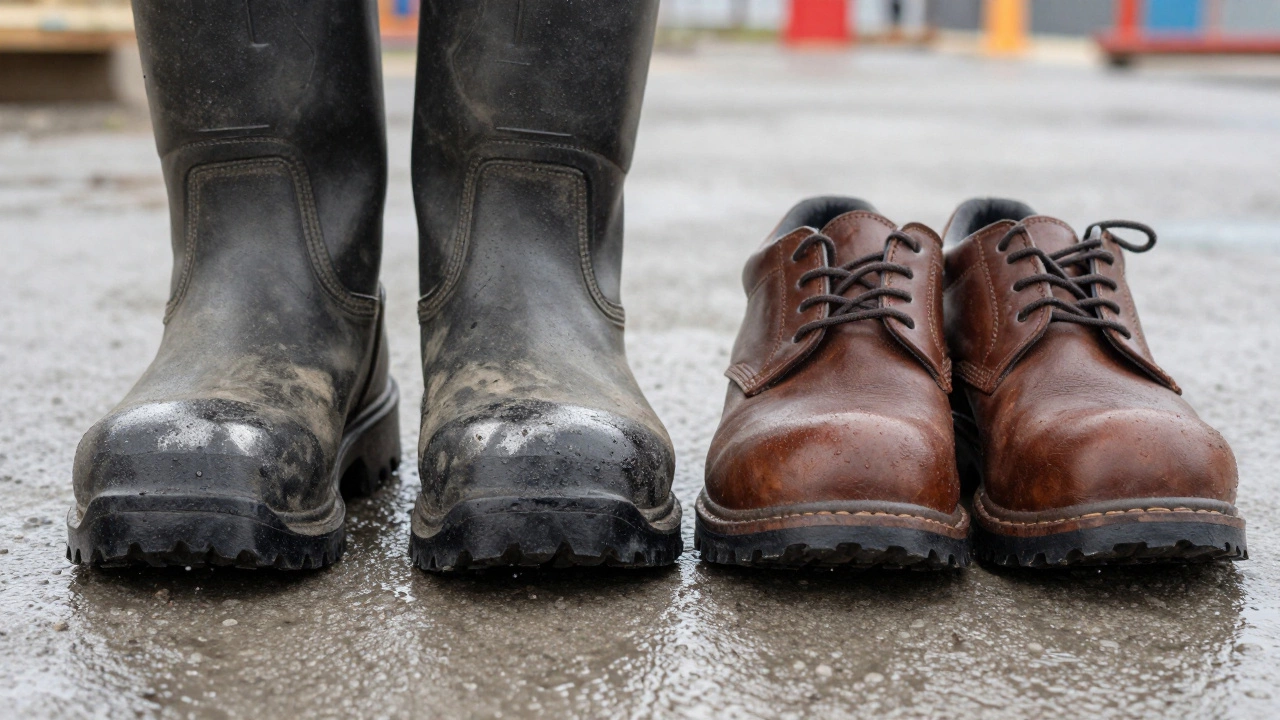
The primary difference between safety shoes and work shoes comes down to one word: certification. Safety shoes are Personal Protective Equipment (PPE) classified under Category III, meaning they undergo strict conformity assessment procedures. They are tested to withstand specific forces and hazards. Work shoes, on the other hand, are often categorized as general-purpose footwear. They may be durable and comfortable, but they lack the certified protective elements required for high-risk environments.
In Ireland, the Health and Safety Authority (HSA) mandates that employers provide appropriate PPE free of charge when risks cannot be controlled by other means. If your job involves heavy machinery, construction materials, or electrical risks, standard work shoes do not cut it. You need safety shoes that have been independently tested and certified. Look for the CE mark, which indicates conformity with European health, safety, and environmental protection standards, although post-Brexit nuances mean UKCA marks are also relevant for imports from Great Britain, though NI protocol applies differently.
| Feature | Safety Shoes | Work Shoes |
|---|---|---|
| Certification | EN ISO 20345 (Category III PPE) | None or basic quality standards |
| Toe Protection | Mandatory steel/composite cap (200J impact) | Optional or reinforced leather only |
| Puncture Resistance | Often included (midsole plate) | Rarely included |
| Electrical Hazard Protection | Available (SR/CI codes) | Generally absent |
| Price Range (Ireland) | €80 - €150+ | €40 - €90 |
Understanding the EN ISO 20345 Standard
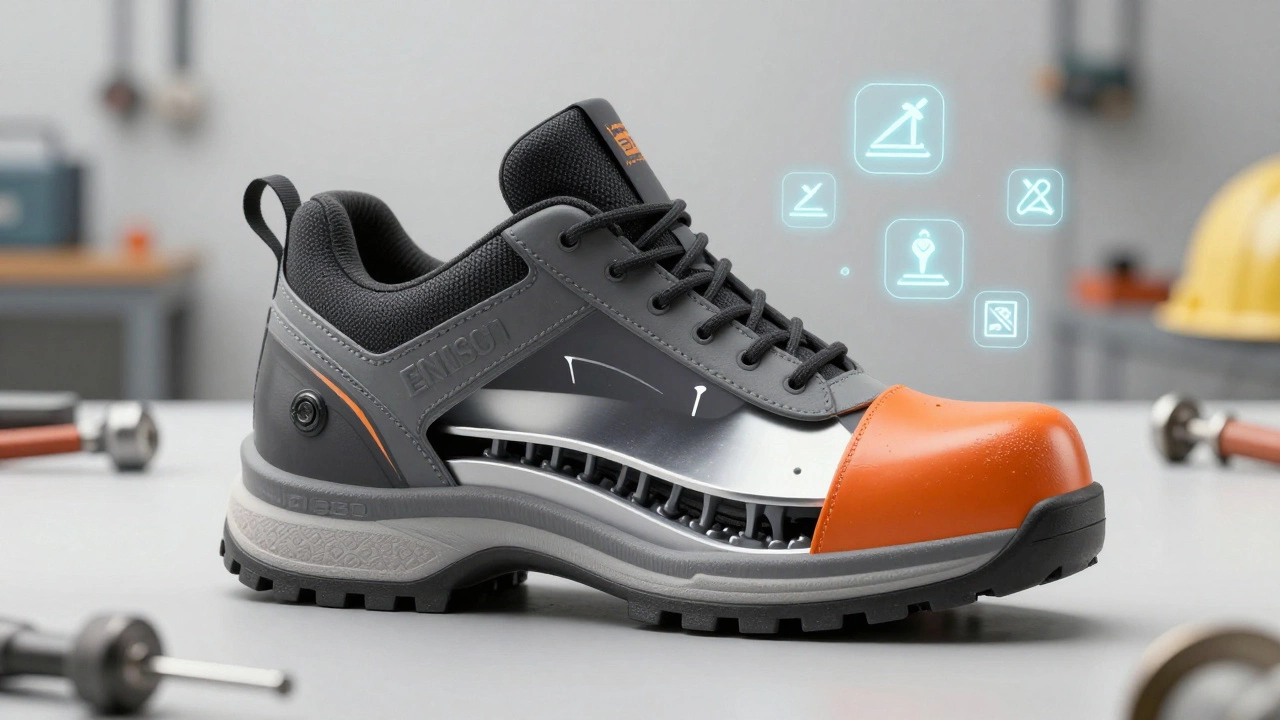
When shopping for safety shoes in Ireland, you’ll see a code like "S3" or "SB" printed on the tongue or box. These codes refer to the EN ISO 20345 standard, which defines the level of protection. Understanding these codes is essential for selecting the right footwear for your specific job role.
- SB: Basic safety requirements. Includes toe cap protection (200 Joules) and energy absorption in the heel area. No additional features like puncture resistance.
- S1: Includes SB features plus anti-static properties and fuel-oil resistant soles. Suitable for indoor environments like offices or light workshops.
- S2: Adds water resistance and water vapor permeability to S1 features. Ideal for wet conditions, common in Irish agriculture or outdoor logistics.
- S3: The most common type for construction and heavy industry. Includes all S2 features plus a penetration-resistant midsole to protect against nails and sharp debris.
- S4/S5: Made from synthetic materials, fully enclosed. S5 adds the penetration-resistant midsole. Often used in chemical plants or food processing where cleanliness is key.
For a builder working on a residential project in Kildare, an S3 shoe is typically the minimum requirement due to the risk of falling bricks and sharp tools. A warehouse worker in Dublin Airport might only need S1 or S2, depending on whether they handle chemicals or operate in cold storage units.
Local Regulations and Employer Responsibilities
Ireland’s health and safety framework is governed by the Safety, Health and Welfare at Work Act 2005. Under this act, employers must conduct a risk assessment for every workplace. If the assessment identifies foot hazards-such as falling objects, slipping surfaces, or electrical risks-the employer must provide suitable PPE.
This means you cannot simply buy your own work shoes and expect them to comply if they aren’t certified safety shoes. Employers in sectors like construction, manufacturing, and healthcare are legally obligated to ensure their staff wears compliant footwear. Failure to do so can result in significant fines from the HSA and liability in case of accidents.
Moreover, the General Product Safety Regulations 2004 require that all PPE sold in Ireland meets EU standards. Retailers, including major chains like Dunnes Stores or specialized suppliers like ProSafe, must ensure that products labeled as "safety shoes" carry the correct certification marks. As a buyer, always ask for the test certificate if you’re unsure about a product’s legitimacy.
Choosing the Right Footwear for Irish Conditions
Ireland’s climate poses unique challenges for footwear. Rain is frequent, and temperatures can fluctuate rapidly. This makes slip resistance and water management crucial factors when choosing safety shoes.
Slip Resistance: Look for the SRC rating, which indicates resistance to both oily and wet surfaces. In a kitchen environment in Belfast or a brewery in Kilkenny, SRC-rated soles can prevent costly slips and falls. Brands like Timberland PRO, Caterpillar, and local favorites like Blundstone (though check specific models for safety ratings) offer options tailored to these conditions.
Waterproofing: If you work outdoors, especially in rural areas like Donegal or Kerry, waterproof membranes such as Gore-Tex are invaluable. They keep feet dry while allowing sweat to escape, reducing the risk of blisters and fungal infections. Remember, wet feet lose heat quickly, leading to discomfort and reduced concentration.
Comfort and Fit: Irish workers often spend long hours on their feet. Poorly fitting safety shoes can cause long-term musculoskeletal issues. Visit a specialist retailer where staff can measure your feet properly. Consider brands that offer wide fits or customizable insoles. Comfort should never be sacrificed for protection; modern safety shoes combine both effectively.
Maintaining Your Safety Shoes
Even the best safety shoes degrade over time. Regular maintenance extends their lifespan and ensures continued protection. Here are some practical tips for Irish workers:
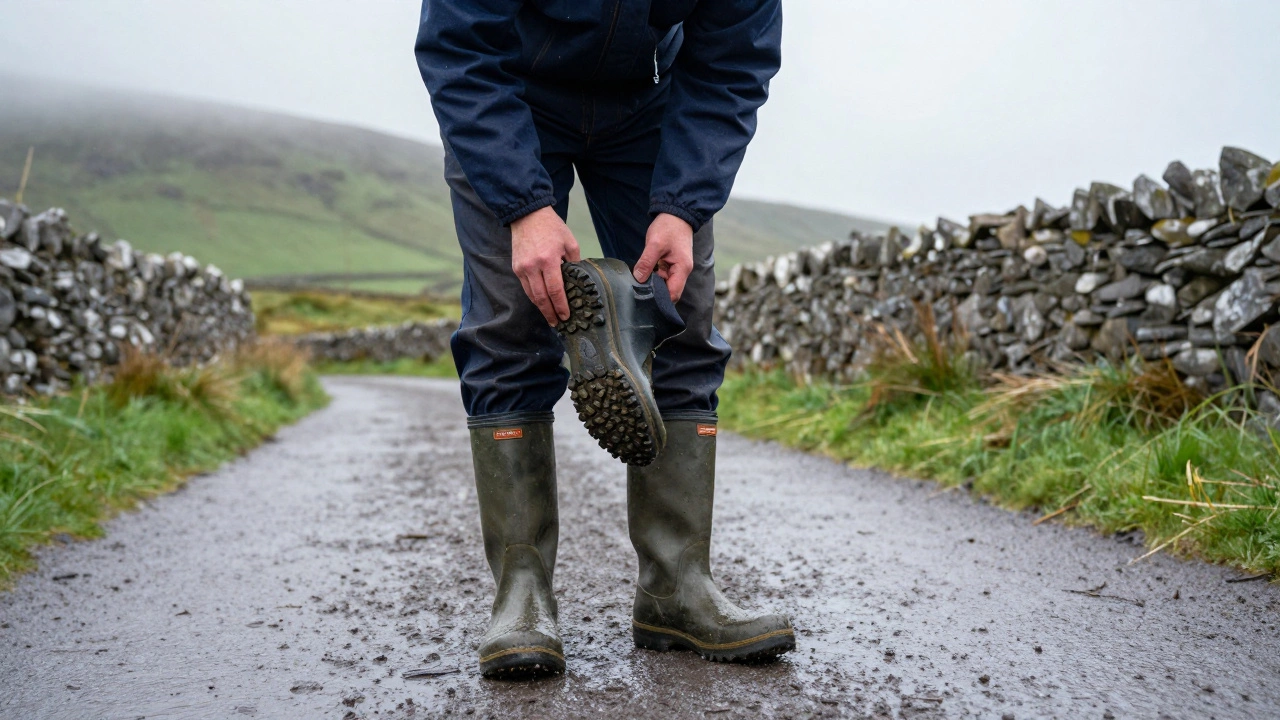
- Clean Regularly: Remove mud and debris after each shift. Use a soft brush and mild soap. Avoid harsh chemicals that can damage leather or rubber components.
- Dry Properly: Never place wet shoes near a radiator or fire. Stuff them with newspaper to absorb moisture and maintain shape. Allow them to air dry naturally.
- Inspect Soles: Check for worn treads or cracks. Once the slip-resistant pattern wears down, the shoe loses its effectiveness. Replace immediately if compromised.
- Check Toe Caps: Ensure the toe cap isn’t exposed or damaged. Even minor dents can reduce impact resistance.
- Replace Insoles: Over time, insoles compress and lose cushioning. Replacing them every 6-12 months improves comfort and support.
In Ireland, where dampness is prevalent, drying shoes thoroughly is paramount. Wet interiors promote bacterial growth, leading to odor and skin infections. Invest in a shoe dryer or use silica gel packets overnight.
Common Misconceptions About Work Footwear
Many workers believe that thick leather boots automatically qualify as safety shoes. This is false. Without a certified toe cap and midsole, leather alone offers minimal protection against heavy impacts. Another myth is that safety shoes are inherently uncomfortable. Modern designs prioritize ergonomics, using lightweight materials like carbon fiber for toe caps and memory foam for insoles.
Some also assume that once purchased, safety shoes last forever. However, PPE has a limited lifespan. Exposure to chemicals, extreme temperatures, or physical wear can compromise integrity. Manufacturers usually recommend replacing safety shoes every 12-18 months, depending on usage intensity.
Are all work boots considered safety shoes?
No. Only boots certified to EN ISO 20345 standards are considered safety shoes. Standard work boots may be durable but lack the mandatory protective toe caps and midsoles required for hazardous environments.
What does the 'S3' rating mean on safety shoes?
The S3 rating indicates the highest level of protection for general industrial use. It includes a protective toe cap, anti-static properties, fuel-oil resistance, water resistance, and a penetration-resistant midsole to guard against nails and sharp objects.
Do I need safety shoes for office work in Ireland?
Typically, no. Office environments rarely pose risks requiring certified safety footwear unless you visit construction sites or warehouses regularly. Consult your employer’s risk assessment to determine specific needs.
How much should I spend on safety shoes in Ireland?
Expect to pay between €80 and €150 for high-quality, certified safety shoes. Cheaper options may lack proper certification or durability. Investing in reputable brands ensures better protection and longer lifespan.
Can I return safety shoes if they don't fit?
Most retailers in Ireland allow returns if the shoes are unworn and in original packaging. However, try them on indoors first. Hygiene laws prevent returning worn PPE, so ensure proper fit before taking them out of the store.