Leather Shoe Break-In Planner
Configure Your Plan
Estimated Timeline:
Follow the steps below gradually. Never push through sharp pain.
Select your leather type and climate to generate a personalized break-in schedule.
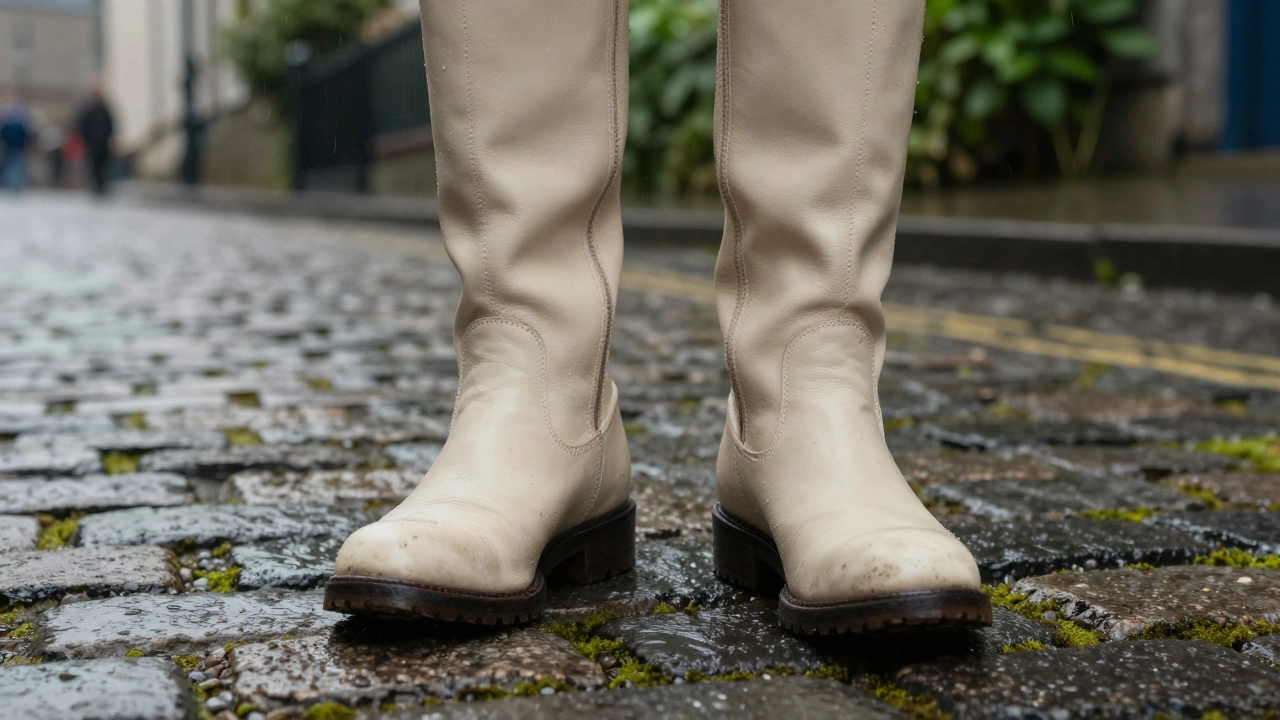
There is a specific kind of dread that comes with buying a beautiful pair of leather shoes here in Ireland. You see them on the shelf-perhaps sturdy Cream Boots, a beloved Irish brand known for durable, waterproof footwear perfect for the local climate or a sleek pair from a Dublin boutique-and you know they are worth the investment. But you also know the price: blisters. If you live in a country where rain isn’t just weather but a lifestyle, and where your commute might involve cobblestones in Galway or uneven pavements in Cork, comfort isn’t a luxury; it’s a necessity. So, how long does it actually take to break in a pair of leather shoes? The short answer is usually two to four weeks of gradual wear. The long answer involves understanding leather biology, avoiding common mistakes, and knowing exactly which tricks work best for our damp, unpredictable climate.
The Biology of Leather: Why It Needs Time
To understand why your new shoes hurt, you have to look at what leather actually is. It isn’t plastic or synthetic fabric. It is animal hide that has been tanned and treated. Think of it like muscle tissue. When you buy a new pair of leather shoes, the material is stiff and rigid because it hasn’t been molded to your unique foot shape yet. Over time, the natural oils in the leather interact with the heat and moisture from your feet. This process softens the fibers, allowing the shoe to stretch slightly and conform to the contours of your toes, arches, and heels.
This biological adaptation doesn’t happen overnight. If you try to force the process, you risk damaging the structural integrity of the shoe or, more likely, injuring yourself. Different types of leather behave differently. Full-grain leather, often found in high-quality boots from brands like R.M. Williams or local cobbler-made pairs, is dense and durable. It takes longer to soften but offers better support. Suede or softer calfskin, common in dress shoes sold in stores across Grafton Street, will break in faster but may lose its shape if not cared for properly. Understanding this difference helps you set realistic expectations. You aren’t just waiting for pain to stop; you are waiting for the material to remember your feet.
The Golden Rule: Gradual Exposure
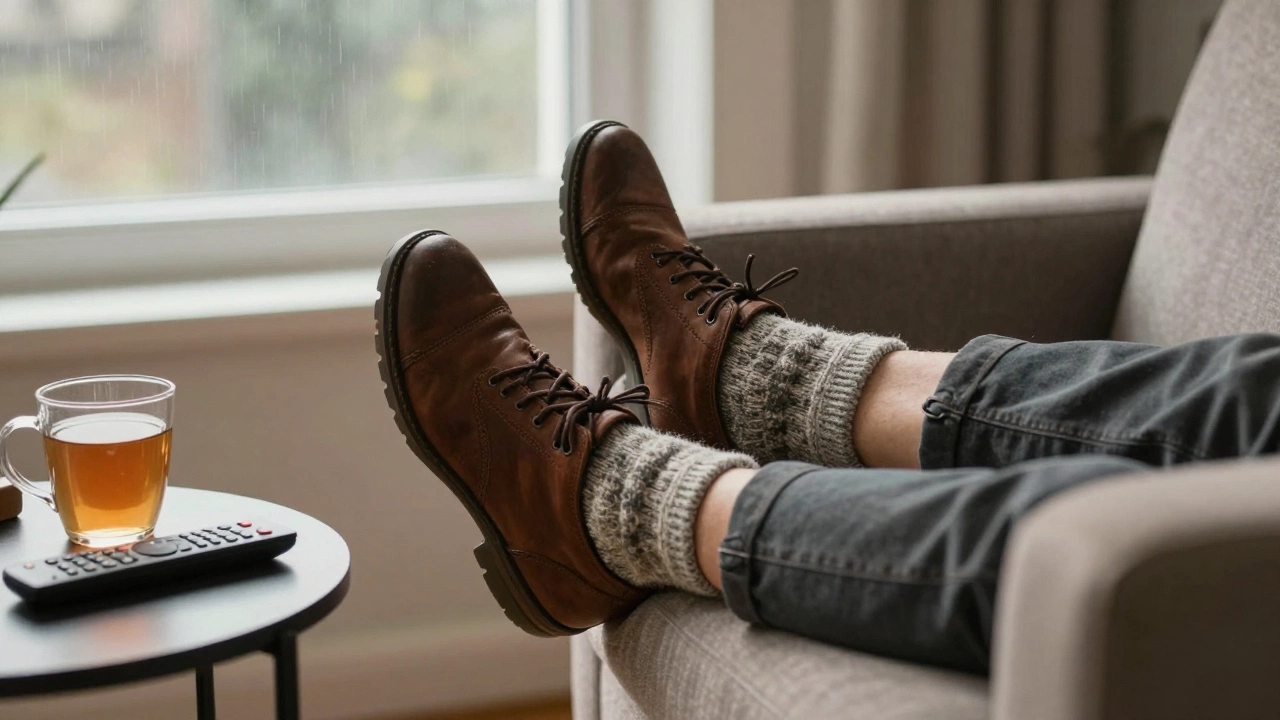
The biggest mistake people make is wearing their brand-new shoes all day on the first outing. Maybe you have a wedding in Kilkenny or a long shift at work in Belfast. It is tempting to power through the discomfort. Don’t do it. The golden rule of breaking in leather shoes is gradual exposure. Start small. Wear the shoes around your house for an hour or two while watching TV or cooking dinner. This allows the leather to warm up and begin softening without the added pressure of walking miles or standing for hours.
After a few days of indoor wear, take them outside for short trips. Walk to the local corner shop in your neighborhood rather than taking the bus. Aim for 30 minutes to an hour of outdoor wear per session. By week two, you can extend this to half-day wear. By week three or four, most people find that the shoes feel broken in enough for full-day use. This slow approach prevents hot spots and blisters because it gives your skin time to toughen up alongside the leather. It also allows you to identify problem areas early. If the heel rubs, you can address it before it becomes a raw wound.
Practical Tricks to Speed Up the Process
If you are impatient or need your shoes ready sooner, there are several effective methods to accelerate the break-in period. However, caution is key. Aggressive techniques can crack the leather or distort the shoe’s shape.
- The Thick Sock Method: Put on a pair of thick wool socks-the kind you’d wear hiking the Wicklow Mountains. Slip into your shoes and walk around the house. The extra bulk stretches the leather gently. Do this for 30-60 minutes at a time. If it feels too tight, take them off immediately. Never push through sharp pain.
- Leather Conditioner: Apply a high-quality leather conditioner, such as Saphir Médaille d’Or or a locally available brand like Collonil. Conditioning adds moisture to the leather, making it more pliable. Rub it in evenly, let it absorb for 24 hours, then wear the shoes. This is especially useful in Ireland’s dry winter months when central heating can make leather brittle.
- The Hairdryer Technique: For stubborn tight spots, wear thick socks, put on the shoes, and use a hairdryer on medium heat to warm the tight areas for 20-30 seconds. Keep the dryer moving to avoid overheating one spot. Flex your feet while the leather is warm. As it cools, it retains the stretched shape. Let the shoes cool completely before taking them off.
- Freezer Method (Use with Caution): Fill two sealable plastic bags with water, place them inside your shoes, and put the shoes in the freezer overnight. As the water freezes, it expands, stretching the leather. This method works but carries a risk of cracking if the leather is too thin or old. Only use this on sturdy boots, not delicate dress shoes.
Avoiding Common Mistakes
In the rush to get comfortable, many people resort to harmful practices. Avoid these pitfalls to preserve your shoes and your feet.
First, never soak your leather shoes in water. While Ireland is famous for rain, submerging your shoes to soften them will ruin the adhesive, warp the sole, and cause the leather to shrink and crack as it dries. Second, don’t use excessive heat. Leaving shoes near a radiator or fireplace to dry or soften can damage the leather’s finish and structure. Third, ignore the “walk it off” mentality. Pain is a signal. If you feel sharp pinching or intense rubbing, stop. Continuing to wear painful shoes leads to blisters, calluses, and even changes in your gait, which can cause knee or back problems.
Another mistake is ignoring proper sizing. Breaking in shoes should involve minor adjustments, not major corrections. If your toes are cramped against the front or your heel slips out significantly, no amount of breaking in will fix that. In Ireland, where we value quality craftsmanship, investing in the right size from reputable retailers like John Martin & Sons or Carrigaline Shoes ensures a better fit from the start. Remember, European sizing can vary between brands, so always try shoes on in the afternoon when your feet are naturally slightly swollen.
Maintaining Comfort After Break-In
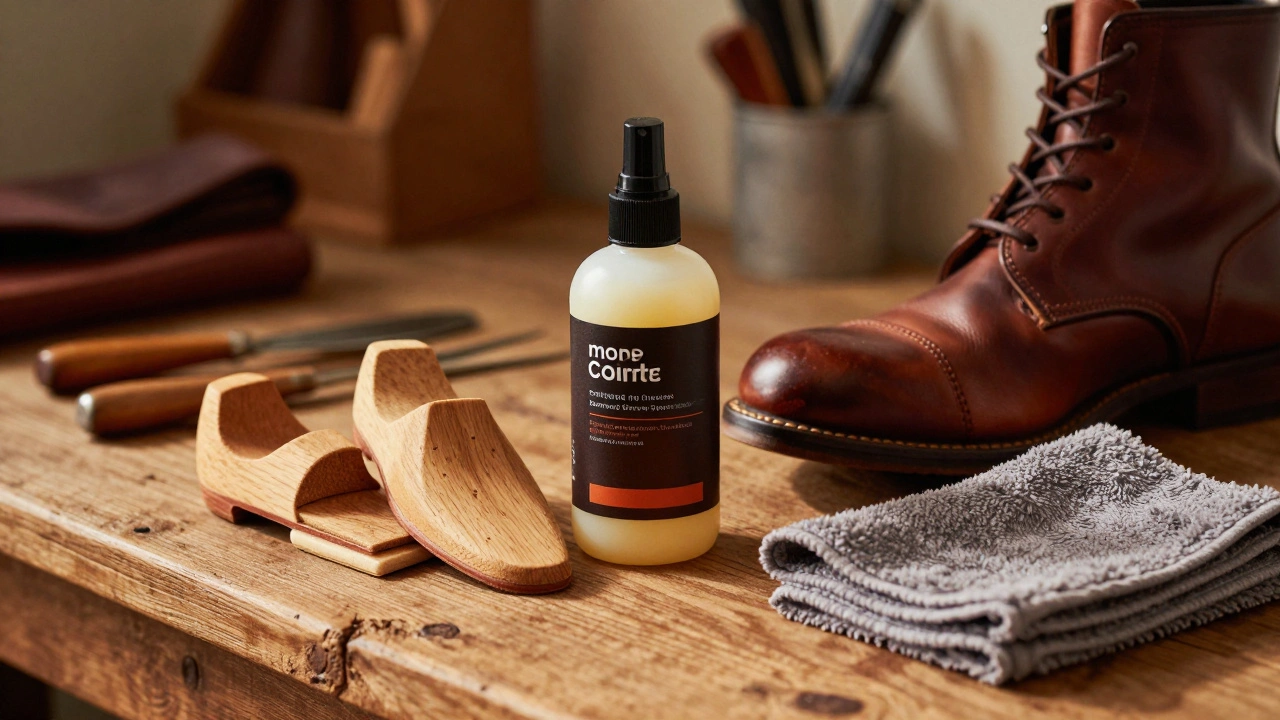
Once your shoes are broken in, the job isn’t done. Leather is a living material that requires ongoing care to remain comfortable and durable. In Ireland’s wet climate, water resistance is crucial. Treat your shoes with a waterproofing spray designed for leather every few months. This creates a barrier against rain and puddles, preventing the leather from becoming saturated and heavy.
Rotate your shoes. Wearing the same pair every day doesn’t give the leather time to air out and return to its original shape. Moisture buildup inside the shoe accelerates wear and tear. Have at least two pairs of everyday shoes and alternate them. Use cedar shoe trees after each wear. Cedar absorbs moisture and odors while helping the shoe maintain its structure. You can find quality shoe trees at most hardware stores or specialty shops in cities like Limerick or Waterford.
Regular cleaning is also essential. Remove dirt and salt stains promptly. Salt from road grit in winter can corrode leather over time. Wipe your shoes with a damp cloth and apply conditioner as needed. A well-maintained pair of leather shoes can last for years, becoming more comfortable with age. They become an extension of your body, tailored specifically to your feet.
When to Seek Professional Help
Sometimes, DIY methods aren’t enough. If you have persistent pain or unique foot shapes, consult a professional. Cobblers in Ireland are skilled artisans who can stretch specific areas of your shoes using specialized machines. They can also add cushioned insoles or heel grips to improve comfort. Visiting a local cobbler supports traditional craftspeople and ensures your expensive footwear gets the attention it deserves. Many towns, from Derry to Killarney, have family-run cobbler shops that offer personalized service. Don’t hesitate to ask for advice; they see thousands of feet and can often spot fit issues you might miss.
How long does it take to break in leather boots?
Leather boots typically take 2 to 4 weeks to break in fully. Stiffer leathers, like those used in work boots or hiking boots, may take up to 6 weeks. The process depends on the thickness of the leather and how frequently you wear them. Gradual wear is key to avoiding blisters.
Can I speed up the break-in process safely?
Yes, you can safely speed up the process by using thick socks, applying leather conditioner, or using the hairdryer method on tight spots. Avoid soaking the shoes or using extreme heat, as this can damage the leather. Always prioritize gradual wear to prevent injury.
What should I do if my leather shoes still hurt after a month?
If your shoes still hurt after a month of gradual wear, they may be the wrong size or shape for your feet. Consult a cobbler for professional stretching or consider adding custom orthotic insoles. Persistent pain indicates a fit issue that won’t resolve with time alone.
Is it normal for leather shoes to stretch?
Yes, leather shoes will stretch slightly, usually about half a size, as they break in. The material conforms to your foot shape due to heat and moisture. However, they will not expand significantly in length. Ensure there is adequate room in the toe box when you first buy them.
How do I care for leather shoes in rainy weather?
In rainy weather, treat your leather shoes with a waterproofing spray regularly. After getting wet, wipe them with a dry cloth and stuff them with newspaper to absorb moisture. Allow them to air dry away from direct heat sources. Use cedar shoe trees to maintain shape and prevent odor.