Irish Evening Dress Length Guide
Select your event details below to find the perfect hemline for your next occasion in Ireland.
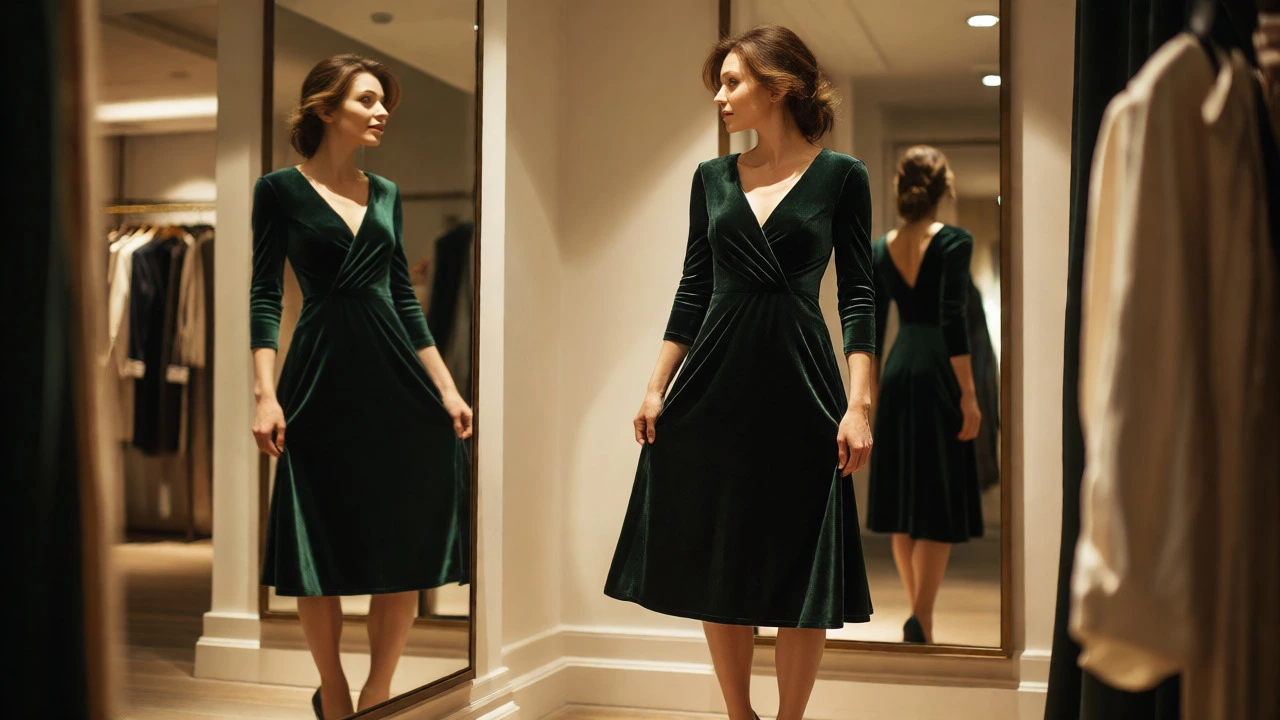
You’re standing in a fitting room on Grafton Street, or maybe you’ve just ordered online from ASOS or Next, and you’re staring at the hemline. It’s too short for your auntie’s judgmental eye at the christening, but too long to trip over while dancing at a Dublin hotel gala. Evening dress is a formal garment typically worn for social events after 6 PM, with lengths ranging from knee-length to floor-sweeping. The confusion is real. Is "floor-length" actually touching the ground? Do you need heels to pull off a midi? In Ireland, where our weather can shift from sunny to sideways rain in ten minutes, getting the length right isn’t just about fashion-it’s about practicality.
Let’s cut through the noise. There is no single "correct" length. Instead, there are specific codes tied to the time of day, the venue, and the level of formality. Whether you’re heading to a black-tie wedding in Kildare or a corporate mixer in Cork, this guide breaks down exactly how long your hem should be so you don’t look underdressed or overdressed.
The Quick Cheat Sheet
- Tea-Length: Hits mid-calf. Perfect for daytime weddings or garden parties.
- Midi: Just below the knee to mid-calf. Great for semi-formal office events or dinner dates.
- Knee-Length: Right at or just above the knee. Safe for business dinners or casual evening outings.
- Floor-Length (Maxi): Touches the floor. Required for black-tie galas, opera nights, or formal weddings.
- High-Low: Short in front, long in back. Trendy for festivals like Electric Picnic or creative industry parties.
Understanding Formality Codes in Ireland
Before you pick a length, you have to decode the invite. Irish invitations often use terms that feel vague if you aren’t used to them. Here’s what they actually mean for your hemline.
| Dress Code | Recommended Length | Ideal Venue Examples |
|---|---|---|
| Black Tie | Floor-length | RDS Simmonscourt, Mansion House |
| Formal / Evening Wear | Floor-length or Tea-length | Hotel balls (Shelbourne, Clayton) |
| Cocktail Attire | Knee-length or Midi | City center restaurants, gallery openings |
| Semi-Formal | Knee-length or Tea-length | Pub venues, community halls |
| Daytime Wedding | Below knee to Tea-length | Country houses, church gardens |
Floor-Length: The Gold Standard for Black Tie
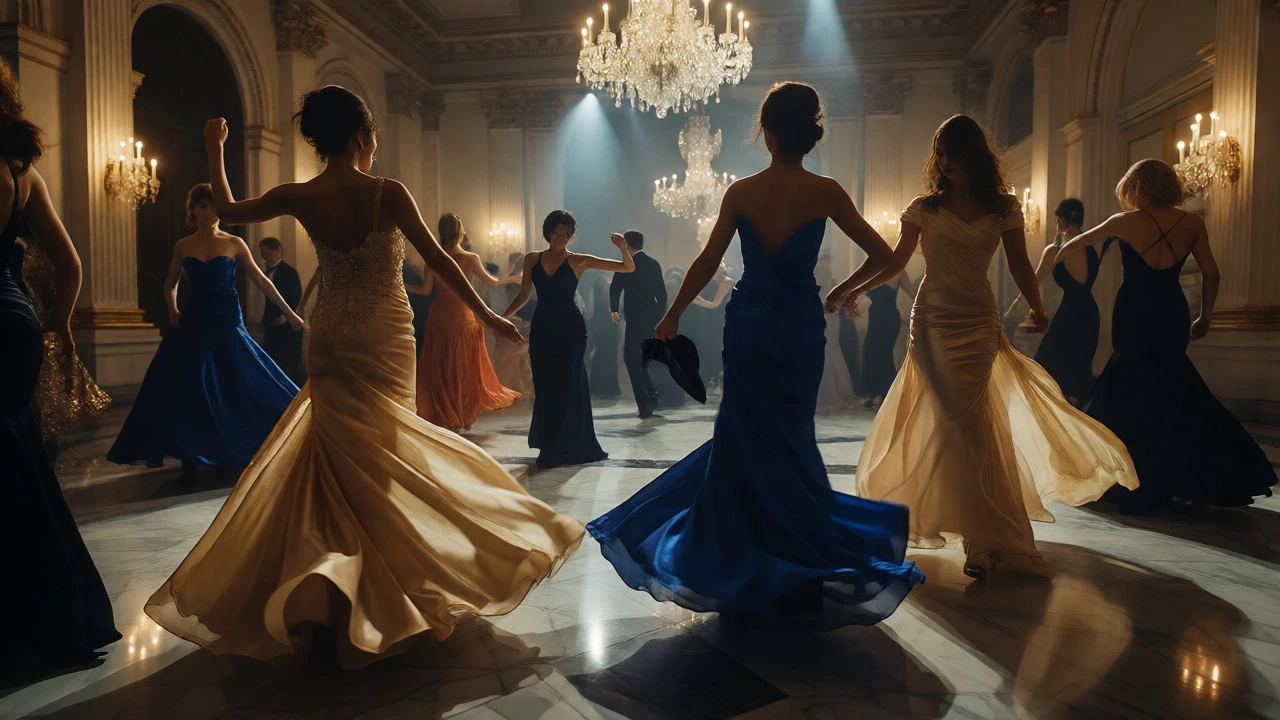
If the invitation says "Black Tie," you need a Gown that reaches the floor. But here’s the trap: "Floor-length" doesn’t mean it drags three feet behind you like a bridal train. It means the hem grazes the top of your shoe when you’re standing straight.
In Ireland, many venues have historic floors-think polished wood in old Georgian townhouses or marble in newer hotels like the Conrad in Dublin. If your dress is too long, you’ll trip. If it’s too short, you’ll look like you’re wearing a maxi skirt rather than an evening gown. The rule of thumb? Have your dress hemmed *after* you buy your shoes. Yes, really. If you’re planning to wear chunky boots because it’s November and icy outside, measure accordingly. If it’s summer and you’re wearing strappy sandals, account for the height difference.
For men, this translates to tuxedos. For women, it’s full coverage. At events like the RTÉ Choice Music Prize or charity galas in Dublin, you’ll see almost exclusively floor-length silhouettes. Anything shorter risks looking out of place unless you’re making a deliberate fashion statement with high-end designer pieces.
Tea-Length and Midi: The Sweet Spot for Weddings
Irish weddings are famous for lasting all weekend. You might attend a rehearsal dinner, the ceremony, the reception, and a Sunday brunch. Wearing a heavy floor-length gown to a garden party in Wicklow or a barn wedding in Clare is a recipe for disaster. Mud, grass stains, and wind are real enemies.
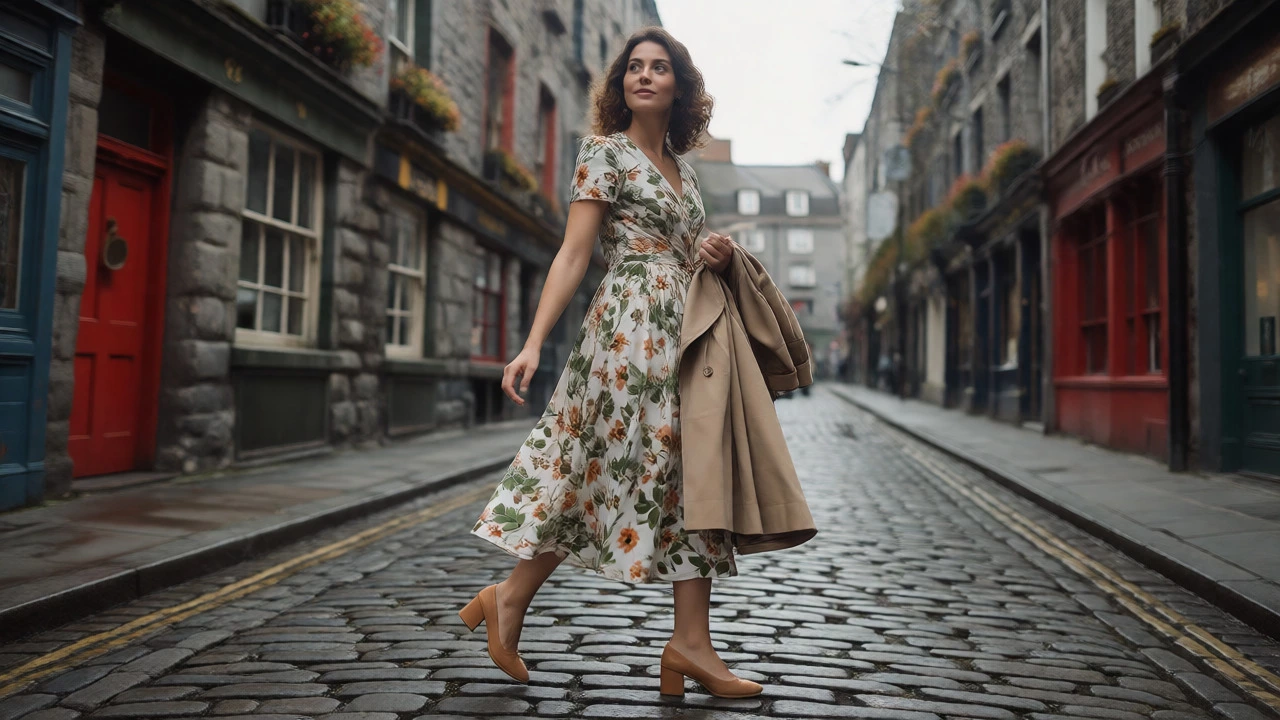
This is where Tea-length dresses, which end between the ankle and mid-calf, offer the perfect balance of elegance and mobility. They’re chic, vintage-inspired, and practical. You can dance without stepping on your own hem. You can walk across uneven cobblestones in Galway without tripping. And crucially, you won’t drag dirt into the venue.
A midi dress sits just below the knee. This is ideal for semi-formal events or when you want to show off some great footwear. In recent years, Irish brands like Monsoon or high-street staples like Zara have pushed midi styles heavily. They work well for afternoon ceremonies followed by evening drinks. Pair a floral midi with a blazer for a daytime event, then swap the blazer for a pashmina as the sun sets.
Knee-Length: Versatile but Tricky
Knee-length dresses are the most versatile option in your wardrobe, but they carry a risk in formal settings. In Ireland, we tend to lean conservative with formal wear. A dress that hits exactly at the knee can sometimes read as "office wear" rather than "evening wear." To make it work for an evening event, focus on fabric and detail.
A simple black knee-length sheath might look plain at a pub quiz night, but add sequins, velvet, or a bold print, and it becomes evening-appropriate. If you’re attending a corporate Christmas party in Belfast or Dublin, a tailored knee-length dress strikes the right balance. It’s professional enough for your boss to see, but stylish enough for the after-party. Just avoid anything too tight or too revealing if the setting is traditional.
Weather Considerations: The Irish Factor
You can’t talk about dress lengths in Ireland without talking about the weather. We don’t have the luxury of assuming clear skies. Even in July, a sudden shower can turn a silk floor-length gown into a soggy mess. This is why layering matters more than the hem itself.
If you choose a floor-length dress, consider the lining. Heavy satins absorb water; lighter chiffons dry faster. If you opt for a shorter length, you’ll need tights or stockings. In winter, sheer black tights are standard with cocktail dresses. In spring and autumn, opaque tights can keep you warm while maintaining a polished look. Don’t forget a coat. A structured trench or a faux-fur wrap looks elegant over any length. Avoid bulky puffer jackets if you’re trying to maintain a sleek silhouette.
Also, think about transport. If you’re taking the Luas or bus to your event, a very long hem will get caught in doors or dragged along dirty pavements. A tea-length or midi is far easier to manage on public transport. If you’re driving, ensure the hem doesn’t bunch up under the pedals.
How to Hem Your Dress Correctly
Most people buy their dress before they buy their shoes. This is a mistake. When you go to a tailor in Dublin or Cork, bring the exact pair of shoes you plan to wear. Stand on a small platform or step stool if necessary to simulate the height.
- For Floor-Length: Aim for a 1-2 cm gap between the hem and the floor. This prevents dragging while ensuring no skin shows.
- For Tea-Length: Mark the spot where you want the hem to fall, usually mid-calf. Ensure it’s even all around.
- For High-Low: Measure the front separately from the back. The front should hit mid-thigh or knee, depending on comfort.
Tailoring costs vary. In Dublin, expect to pay €30-€50 for a simple hem. In smaller towns, it might be less. Always ask for a blind hem stitch for invisible finishes on delicate fabrics.
Local Trends and Brand Insights
Irish fashion has evolved. We’re no longer just copying London trends. Local designers like Simone Rocha have put Irish craftsmanship on the global map, influencing how we view volume and texture. While her designs often feature unconventional lengths, the mainstream market still leans toward classic silhouettes.
Brands like M&S and Next dominate the high street for reliable evening wear. Their size guides are accurate, and their return policies are forgiving-crucial when you’re unsure about length. For something more unique, check out independent boutiques in Temple Bar or Ranelagh. They often stock smaller labels with interesting cuts that break away from the standard knee-or-floor binary.
Remember, confidence is key. If you feel awkward because your dress feels too short, you’ll look uncomfortable. If you’re constantly holding up a hem that’s too long, you’ll seem fussy. Choose a length where you can sit, stand, and move freely without thinking about it.
Can I wear a midi dress to a black-tie wedding?
Generally, no. Black-tie implies maximum formality, which traditionally requires floor-length gowns for women. However, if the wedding is during the day or in a relaxed outdoor setting, a very elegant, high-quality tea-length dress might pass. When in doubt, err on the side of longer.
What length is appropriate for a funeral in Ireland?
Funerals are solemn occasions. Knee-length or midi dresses in dark, subdued colors are standard. Avoid anything too short or flashy. Comfortable shoes are essential, as you may be standing for long periods or walking on uneven ground at the cemetery.
Do I need to hem my dress before buying shoes?
No, you should do the opposite. Buy your shoes first, then take both the dress and shoes to the tailor. This ensures the hem falls at the correct height relative to your heel height.
Is a jumpsuit considered an evening dress?
Yes, a wide-leg, floor-length jumpsuit in luxurious fabric like silk or satin is widely accepted as evening wear in Ireland. It offers similar elegance to a gown with greater ease of movement.
What if my dress is too long for the venue carpet?
If you’re worried about tripping on thick carpets, opt for a tea-length or a dress with a slight train that you can lift slightly when walking. Alternatively, choose block heels or wedges instead of stilettos for better stability.