Irish Winter Boot Verdict Calculator
Not sure if those fluffy boots belong in your wardrobe? Answer three quick questions about your daily routine and local weather to get a personalized recommendation.
Your Conditions
Awaiting Input
Fill out the form to see if UGGs fit your life.
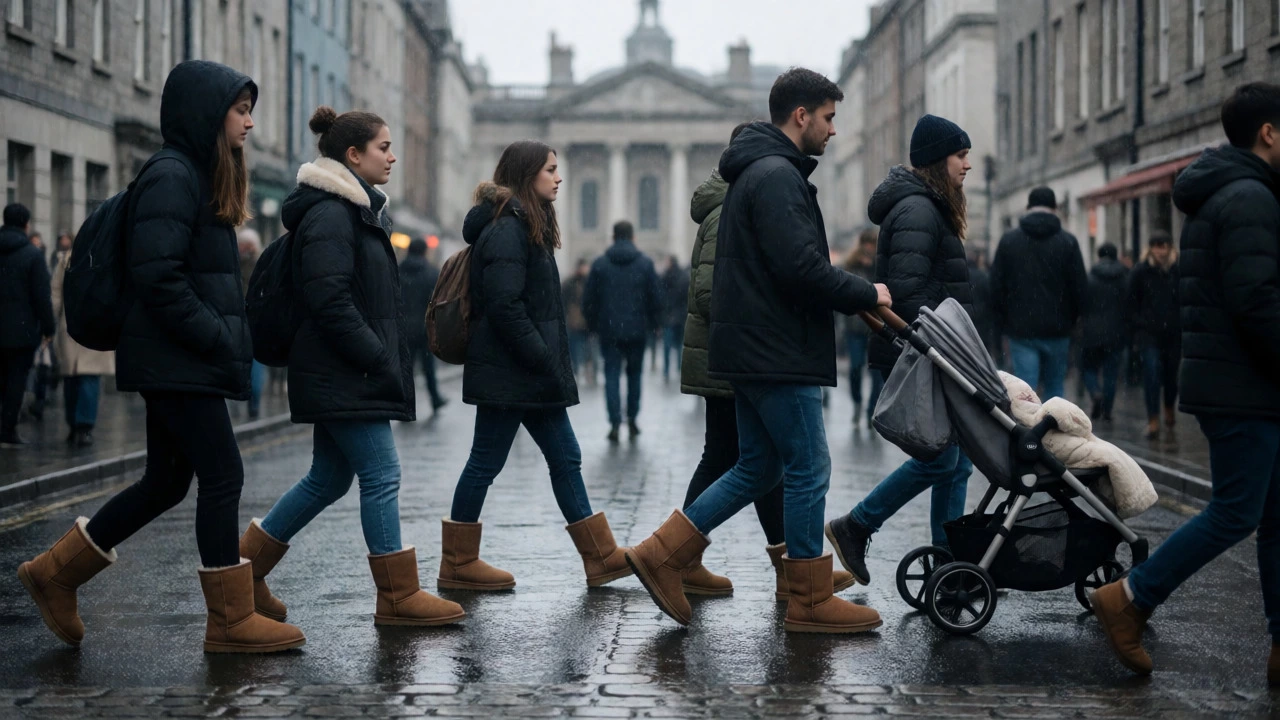
You walk down Grafton Street on a wet Tuesday in November. The rain is sideways, the wind cuts through your coat, and you spot them: a sea of fluffy sheepskin boots huddled around Trinity College. Are they still a thing? Or are we just too stubborn to admit our feet need better support? In Ireland, UGGs occupy a strange space between comfort staple and fashion faux pas. But if you look closely at how people actually dress from Cork to Galway, you’ll see these boots haven’t vanished-they’ve just evolved.
The debate isn't really about whether anyone wears them. It’s about who wears them, where they wear them, and why they refuse to die despite every trend cycle predicting their demise. For many Irish residents, the choice isn't about style points; it's about surviving a damp, cold commute without turning your toes into ice cubes. Let’s break down the current state of UGG culture here, away from the glossy magazine covers that say they’re "out."
The Reality Check: Who Is Actually Wearing Them?
If you think UGGs disappeared after 2015, you haven’t been paying attention to the streets of Dublin or Belfast. They are everywhere, but the demographic has shifted. You won’t see as many teenagers pairing them with mini skirts and bare legs in January anymore-that era is firmly over. Instead, you see parents doing the school run, students heading to lectures in heavy coats, and office workers who prioritize warmth over looking "put together" during the dark months.
In Ireland, practicality often trumps high fashion. When the temperature drops below five degrees and the ground is slick with frost, a pair of classic chestnut sheepskin boots makes sense. They aren’t worn for runway appeal; they are worn because they work. A quick scan of social media shows locals posting photos of their muddy boot soles after a walk along the Howth cliff path or a trip to the Wicklow Mountains. This isn't vanity; it's utility. The brand itself has leaned into this, releasing more rugged styles designed for actual weather rather than just indoor lounging.
Why They Survive the Irish Climate
Ireland’s weather is uniquely hostile to standard sneakers. Leather shoes get ruined by salt and slush. Canvas trainers soak through instantly. Boots with thin soles offer no protection against the cold radiating from the pavement. This is where the specific attributes of sheepskin boots shine. The material breathes, wicks moisture away from the foot, and retains heat even when damp. For a country where rain is a constant companion, this is a significant functional advantage.
Consider the typical Irish morning: leaving the house at 7:30 AM, standing at a bus stop in the drizzle, then walking ten minutes to an office. Your feet stay warm, dry, and relatively protected. Compare this to wearing loafers or fashion boots that require waterproofing sprays and thick socks. The effort-to-comfort ratio heavily favors the UGG. It’s not about following trends; it’s about not freezing your feet off while waiting for the Luas tram.
The Shift from Fashion Icon to Comfort Staple
A decade ago, wearing UGGs was a deliberate fashion statement. Today, it’s closer to wearing sweatpants-acceptable because everyone is doing it, and nobody cares. The stigma has faded. You can now wear them with jeans, leggings, or even tailored trousers without raising eyebrows in casual settings. In creative workplaces in Dublin’s city center, no one bats an eye at a colleague arriving in sheepskin boots. In more conservative corporate environments, like those in the financial district near IFSC, you might swap them for leather brogues upon arrival, but the commute remains boot-friendly.
This shift reflects a broader change in Irish consumer behavior. People are less interested in rigid dress codes and more focused on well-being. After the pandemic, the line between home wear and outdoor wear blurred. Slippers that look good enough to wear to the corner shop became normalized. UGGs fit perfectly into this hybrid category. They bridge the gap between cozy indoor slippers and sturdy outdoor footwear.
Alternatives and Competitors in the Irish Market
While UGGs remain popular, they face stiff competition from brands that offer similar comfort with different aesthetics or price points. In Ireland, several alternatives have gained traction among shoppers who want the warmth without the logo recognition.
| Brand | Primary Material | Price Range (EUR) | Best For | Durability |
|---|---|---|---|---|
| UGG | Genuine Sheepskin | €180 - €250 | Urban commuting, casual weekends | Moderate (requires care) |
| Blundstone | Leather, Elastic Side Panels | €200 - €280 | Outdoor work, rural areas | High (years of use) |
| Hunter | Rubber | €120 - €160 | Heavy rain, festivals | Very High (waterproof) |
| Primigi | Leather, Wool Lining | €80 - €120 | Budget-conscious comfort | Moderate |
Blundstones, for instance, have surged in popularity across Ireland, particularly in rural counties and among farmers or outdoor enthusiasts. They lack the plush interior of UGGs but offer superior durability and water resistance. If you live outside major cities like Dublin or Cork, where roads are unpaved and mud is common, Blundstones are often the smarter buy. However, for city dwellers prioritizing immediate warmth and softness, UGGs still hold the crown.
Hunter boots remain the go-to for pure rain protection. They don’t provide the same thermal insulation unless you add heavy wool socks, but they handle puddles better than any suede boot. Many Irish households own both: Hunters for the stormy days and UGGs for the cold, dry ones.
Cultural Nuances: The Irish Approach to Footwear
Irish culture places a high value on modesty and understatement. Flashy logos or overly trendy items can sometimes feel out of place. UGGs, being somewhat bulky and distinct, used to stand out. Now, their ubiquity has made them neutral. Wearing them doesn’t signal wealth or status; it signals practicality. This aligns well with the general Irish attitude toward clothing: if it works, wear it.
There’s also a strong tradition of supporting local craftsmanship. While UGG is an international brand, Irish consumers increasingly look for locally made alternatives. Brands like Primigi or smaller Irish artisans offering handcrafted leather boots with wool linings compete for the same customer base. These options often cost less and last longer, appealing to the pragmatic shopper. Yet, the sheer marketing power and consistent quality control of UGG keep them visible in stores like Brown Thomas or Arnotts.
How to Wear Them Without Looking Dated
If you decide to invest in a pair-or dig out the old ones gathering dust in your hall closet-styling matters. The key is balance. Because the boots are chunky, keep the rest of your outfit streamlined. Skinny jeans tucked into the shaft create a clean line. Wide-leg trousers should be cropped slightly above the ankle to avoid dragging on the wet ground. Avoid pairing them with delicate fabrics that clash with the rugged texture of the sheepskin.
For men, the rules are looser but still apply. Dark denim or corduroys work best. Socks should be thick and warm, preferably wool, to enhance the thermal benefit. Remember, these are not gym shoes. Don’t wear them for long walks on uneven terrain; save that for proper hiking boots. Use them for short distances, social outings, or cold mornings. Treat them as specialized tools for specific conditions, not all-day everyday wear.
Care and Maintenance in a Wet Climate
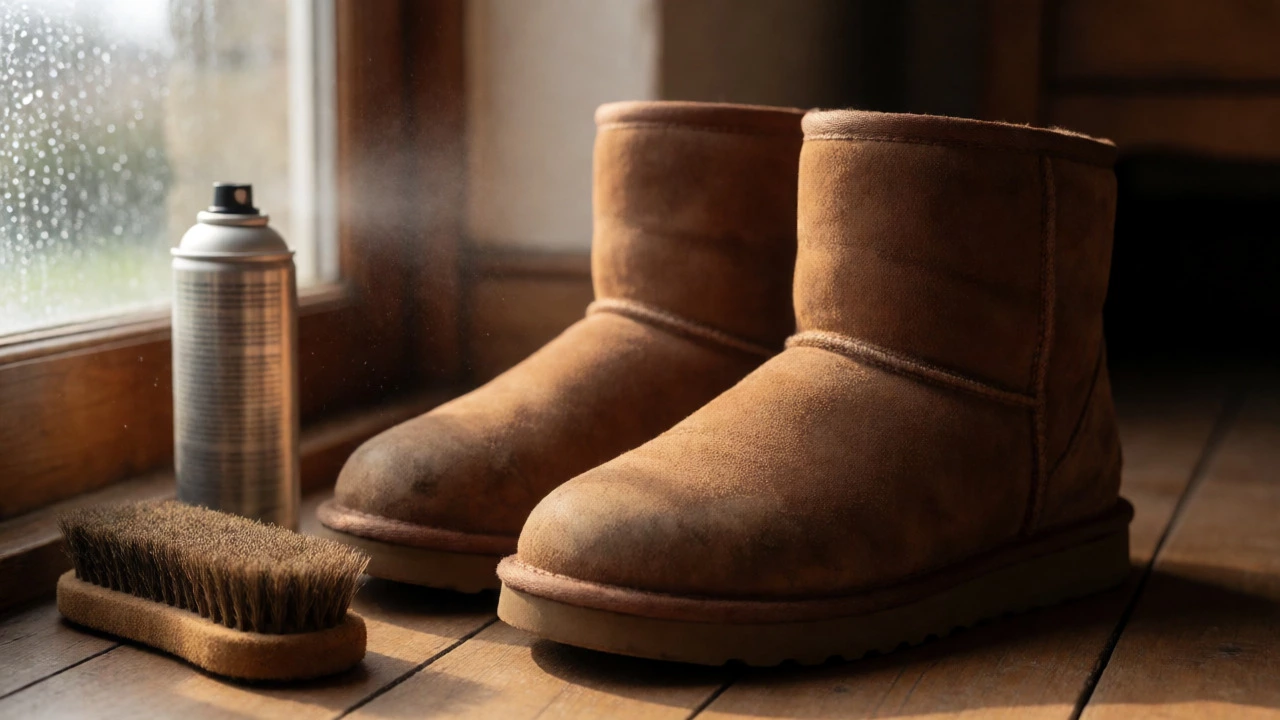
Suede and sheepskin hate water. In Ireland, avoiding water entirely is impossible. To extend the life of your boots, you must maintain them. Apply a waterproof spray specifically designed for suede before the first wear. Reapply it monthly during the rainy season. If they get soaked, stuff them with newspaper to absorb moisture and let them air dry away from direct heat sources like radiators, which can crack the leather.
Brushing the nap regularly keeps the sheepskin fluffy and prevents matting. Neglect this step, and your boots will look flat and sad within a season. Proper care transforms them from a disposable trend item into a durable investment. Given the price tag, most Irish buyers expect them to last at least three winters. With minimal upkeep, that goal is achievable.
The Verdict: Are They Worth It?
So, does anyone wear UGGs anymore? Yes, plenty of people do. But the context has changed. They are no longer a symbol of celebrity excess or teenage rebellion. They are a functional piece of winter gear, accepted and widely used across Ireland. Their survival isn't due to nostalgia; it's due to their unmatched ability to keep feet warm in damp, cold conditions.
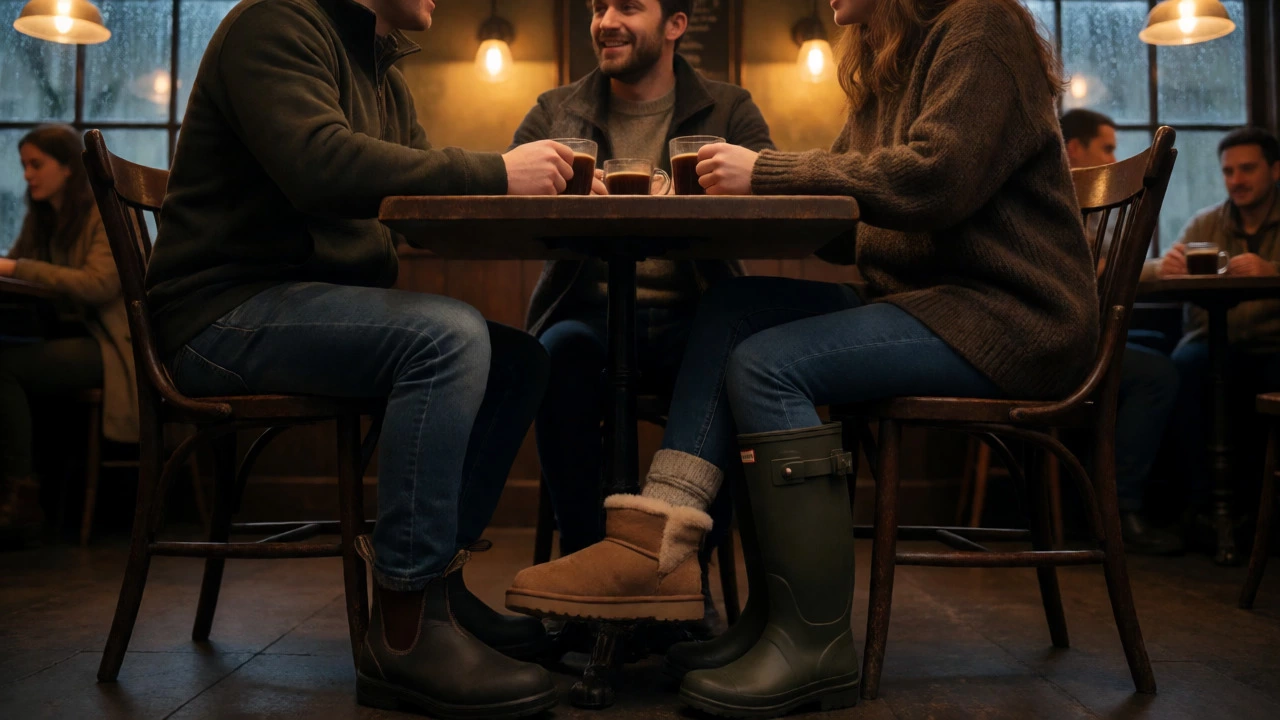
If you live in a region with harsh winters and frequent rain, and you prioritize comfort over strict fashion adherence, they make sense. If you prefer sleeker profiles or need heavy-duty waterproofing, other options might serve you better. But dismissing them as "dead" ignores the reality on the ground. Look around your local pub or coffee shop on a chilly evening. You’ll likely spot more than a few pairs under the tables. They’re not going anywhere soon.
Are UGGs suitable for walking in Dublin rain?
Yes, but with caution. Standard UGGs are not fully waterproof. Light rain is manageable if treated with a protector spray, but heavy downpours or deep puddles can soak through the suede. For sustained heavy rain, rubber boots like Hunters are more reliable.
How much do UGGs cost in Ireland?
Prices vary by retailer and style. Classic short boots typically range from €180 to €220 at major retailers like Brown Thomas or online platforms. Sale periods can reduce prices by 20-30%. Budget alternatives exist but may compromise on genuine sheepskin quality.
Can I wear UGGs in the office?
It depends on the workplace culture. Creative industries and tech companies in Dublin generally accept them. Traditional finance or legal firms usually require leather shoes. Many people bring a spare pair of flats or brogues to change into upon arrival.
What is the best way to clean muddy UGGs?
Let the mud dry completely first. Then, brush it off gently with a suede brush. For stains, use a damp cloth with mild soap, dabbing lightly. Never soak the boots or machine wash them, as this damages the glue and leather structure.
Are there ethical concerns with buying UGGs?
Yes, some consumers worry about animal welfare regarding sheepskin sourcing. UGG claims to use by-products of the food industry, but critics argue otherwise. Vegans often opt for synthetic alternatives like faux shearling, which are increasingly available from brands like Zara or H&M.