Irish Shoe Leather Selector
Select your options above to see which leather suits your Irish lifestyle.
Walking down Grafton Street on a damp Tuesday morning, you notice something immediately about the shoes people wear. It’s not just style; it’s survival. In Ireland, where rain is less of an event and more of a lifestyle choice, choosing the right animal leather for your shoes isn’t just about fashion-it’s about keeping your feet dry and your wallet intact. If you’ve ever wondered why your expensive Italian loafers fell apart after one winter in Dublin while your friend’s sturdy boots lasted five years, the answer lies in the hide.
Not all leather is created equal. The source animal, the tanning process, and the thickness of the hide determine whether your shoes will survive the Atlantic winds or crack under pressure. Let’s break down which animal leather actually holds up best against the elements, specifically tailored for those of us living on this rainy island.
Cowhide: The Workhorse of Irish Footwear
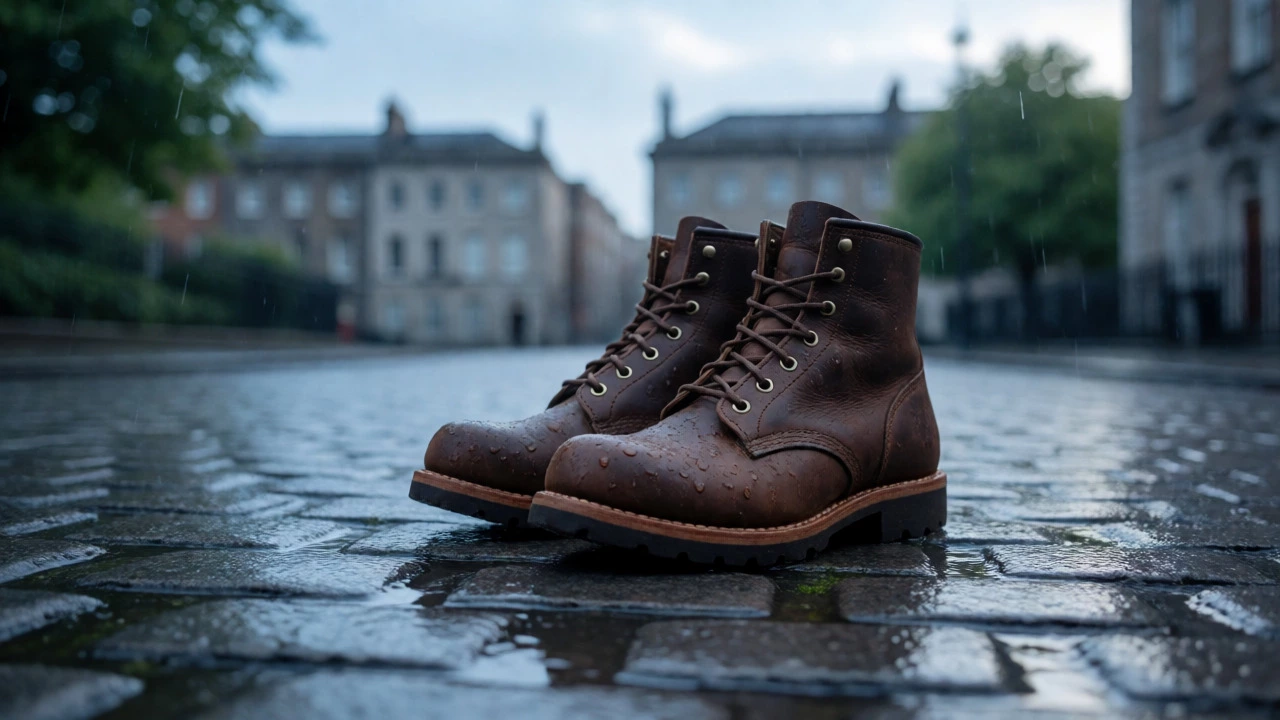
If there is one king of durability in the Cowhide is a thick, durable leather derived from cattle, known for its resistance to abrasion and water when properly treated. market, it’s cowhide. It’s what most work boots are made from, and for good reason. Cowhide is dense, heavy, and incredibly tough. Think of the iconic Red Wing Iron Rangers or the classic Doc Martens you see everywhere from Galway to Cork. These shoes take a beating and keep going.
Why does this matter here? Because our soil is soft, our pavements can be uneven, and our weather is relentless. Cowhide has a natural grain structure that resists scuffing better than thinner leathers. When treated with wax or oil-something any cobbler on Capel Street will tell you to do annually-it becomes nearly waterproof. The downside? It’s stiff. Breaking in a pair of new cowhide boots feels like training for a marathon. But once they’re broken in, they mold to your foot and last for decades. If you want shoes that outlive your car, start with cowhide.
Calfskin: Style Meets Moderate Durability
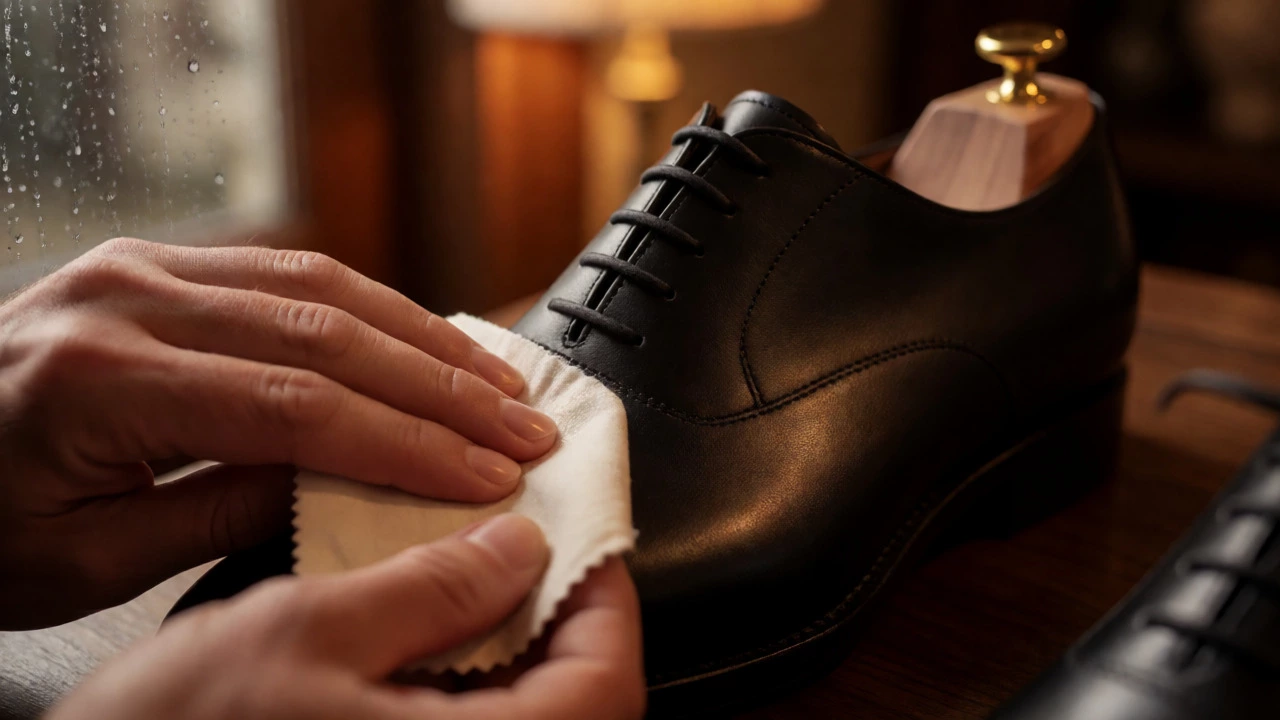
Calfskin comes from younger cattle, making it softer, smoother, and lighter than adult cowhide. It’s the go-to for dress shoes and smart casual wear. You’ll find this in many high-end brands sold at Brown Thomas or Arnotts. The texture is fine-grained, giving it a luxurious look that screams professionalism.
However, calfskin has a weakness: it scratches easily. If you’re commuting on the Luas or walking through muddy fields in Kildare, calfskin might not be your best bet unless you’re careful. It absorbs water faster than thicker hides, so if you don’t use a proper conditioner, it can dry out and crack during our harsh winters. That said, for office workers who spend most of their day indoors, calfskin offers the perfect balance of comfort and elegance. Just remember to rotate your pairs. Wearing the same calfskin oxfords two days in a row in wet weather is a recipe for disaster.
Kangaroo Leather: The Lightweight Champion
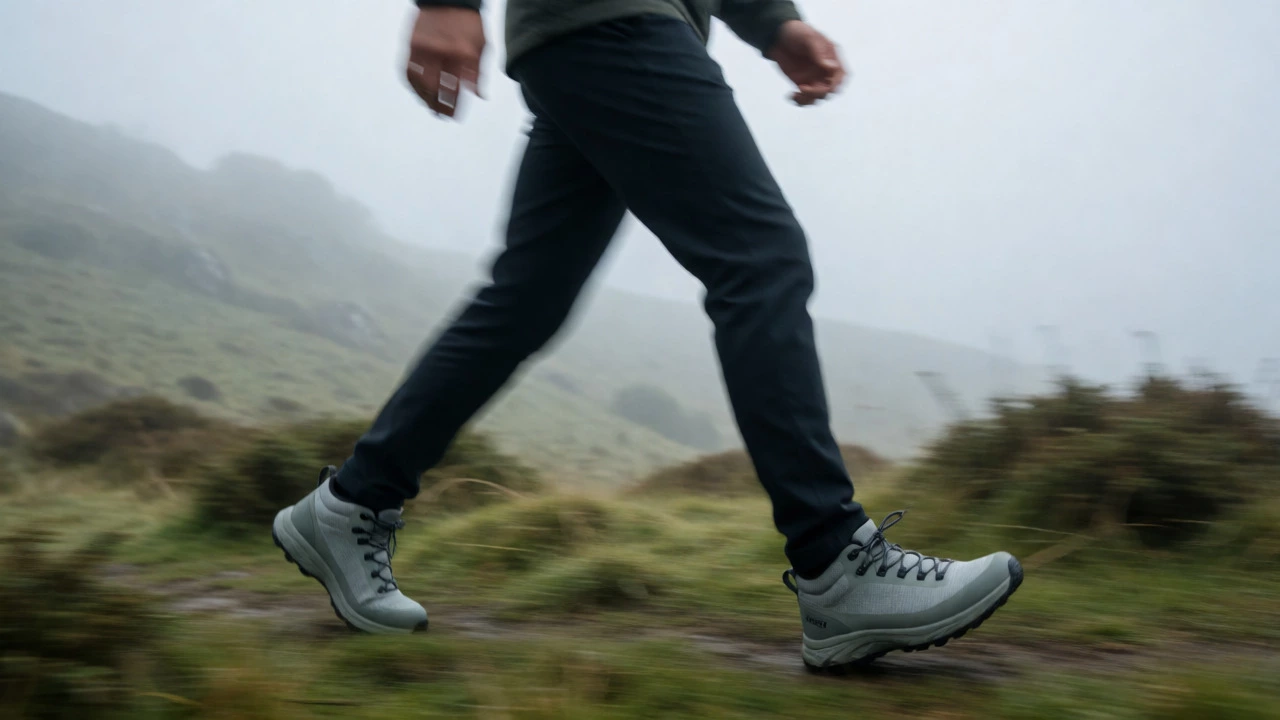
You might not expect kangaroo leather to be a staple in Ireland, but it’s gaining traction among performance footwear enthusiasts. Kangaroo skin is surprisingly strong for its weight-up to eight times stronger than cowhide by weight. This makes it ideal for sports shoes, lightweight hiking boots, and driving moccasins.
The fibers in kangaroo leather run parallel rather than crossing randomly like cowhide, which gives it incredible tensile strength without bulk. Brands like Blundstone (yes, they’re Australian, but widely available here) often use kangaroo blends for their lighter models. For someone walking around Trinity College campus or navigating the hilly streets of Waterford, kangaroo leather offers protection without the heaviness. It’s also more breathable, which helps if you’re prone to sweaty feet-a common issue in our humid climate.
Exotic Options: Ostrich, Alligator, and Snakeskin
Then there are the exotics. Ostrich leather is recognizable by its quill follicles, creating a bumpy texture. It’s soft, supple, and surprisingly durable due to its high oil content. Alligator and crocodile skins offer a unique scale pattern that looks premium, often seen in luxury handbags and high-end dress shoes.
But here’s the reality check: these are rarely practical for daily Irish wear. They’re expensive, require specialized care, and can be damaged by salt from icy pavements. While you might spot a pair of ostrich boots at a wedding in County Clare, they aren’t built for the commute home in a downpour. Treat them as statement pieces, not workhorses.
Comparing Leather Types for Irish Conditions
To help you decide, let’s look at how these materials stack up against our specific needs: rain resistance, durability, and maintenance effort.
| Leather Type | Durability | Water Resistance | Maintenance Effort | Best Use Case |
|---|---|---|---|---|
| Cowhide | High | High (when waxed) | Medium | Work boots, outdoor activities |
| Calfskin | Medium | Low-Medium | High | Office wear, formal events |
| Kangaroo | Very High | Medium | Low | Hiking, light travel, driving |
| Ostrich | Medium-High | Medium | High | Fashion statements, dry weather |
| Alligator | Low-Medium | Low | Very High | Luxury occasions only |
Tanning Matters More Than the Animal
Here’s a secret shoe salespeople won’t always tell you: the tanning process changes everything. Vegetable-tanned leather uses natural tannins from tree bark. It’s eco-friendly and ages beautifully, developing a patina over time. Chrome-tanned leather uses chemicals, making it softer and more water-resistant initially but less environmentally friendly.
In Ireland, where sustainability is increasingly important to consumers, vegetable-tanned options are becoming popular. Look for labels indicating "vegetable tanned" if you care about environmental impact. However, if you need immediate water resistance for a job site visit, chrome-tanned might serve you better until you can apply a protective coating.
Caring for Your Leather in a Wet Climate
No matter which animal leather you choose, neglect will kill it. Our humidity levels fluctuate wildly, causing leather to expand and contract. This stress leads to cracks. To prevent this:
- Dry naturally: Never put wet shoes near a radiator. Stuff them with newspaper to absorb moisture and maintain shape.
- Condition regularly: Use a beeswax-based conditioner every three months. Beeswax repels water effectively.
- Use shoe trees: Cedar shoe trees absorb odors and moisture while keeping the toe box shaped.
- Rotate pairs: Give each pair 24-48 hours to dry completely before wearing them again.
Local tip: Visit independent cobblers in cities like Limerick or Belfast for repairs. They often have access to high-quality waxes and polishes that big-box stores don’t stock. Building a relationship with a local cobbler ensures your investment lasts longer.
Final Verdict: Which One Should You Buy?
If you live in rural Ireland or work outdoors, invest in full-grain cowhide boots. They’re ugly-proof, weather-proof, and timeless. If you’re a city professional in Dublin or Cork, mix it up: keep a pair of well-maintained calfskin oxfords for meetings and switch to kangaroo-blend chukkas for weekends. Avoid exotic leathers for daily wear unless you enjoy the extra hassle.
Remember, the "best" leather depends entirely on your lifestyle. There’s no single winner, only the right tool for the job. Choose wisely, care diligently, and your shoes will thank you with years of service.
Is cowhide really waterproof?
Cowhide is water-resistant, not waterproof. Its dense fiber structure slows water penetration, but prolonged exposure will soak through. Applying a wax-based conditioner significantly enhances its water-repellent properties, making it suitable for typical Irish rain showers.
Why is kangaroo leather considered stronger than cowhide?
Kangaroo leather has a unique fiber structure where collagen fibers run parallel rather than interlocking randomly. This alignment provides higher tensile strength per unit of weight compared to cowhide, allowing for thinner, lighter shoes that are still extremely durable.
How often should I condition my leather shoes in Ireland?
Due to Ireland's variable humidity and frequent rain, conditioning every three months is recommended. During particularly wet winters, you may need to condition monthly to prevent the leather from drying out and cracking after repeated wet-dry cycles.
Are synthetic leathers better for Irish weather?
Synthetic leathers (like PU) are often more water-resistant initially and cheaper, but they lack breathability and durability. They tend to peel and crack after a few seasons of cold, wet Irish winters, whereas quality animal leather can last decades with proper care.
What is the difference between full-grain and top-grain leather?
Full-grain leather retains the entire original grain layer, making it the strongest and most durable option that develops a patina. Top-grain leather has the outer layer sanded down to remove imperfections, making it smoother and more uniform but slightly less durable and resistant to stains.