Crocs Work Suitability Checker
Does your job involve a risk of heavy objects falling on your feet (e.g., warehousing, construction)?
Quick Takeaways: The Crocs Work Verdict
- Healthcare & Hospitality: Generally acceptable if you use the "work" specific models with closed toes and non-slip soles.
- Corporate & Office: Still a huge risk. Stick to loafers or smart shoes for meetings in the IFSC.
- Industrial & Warehousing: Forbidden. You need steel-toe boots for safety compliance.
- The Key: Always check your employee handbook or ask your manager before debuting your neon clogs.
The Divide Between Fashion and Function
In the Irish workplace, there is a massive gap between what's comfortable and what's considered professional. If you're working a desk job in a glass office in Sandyford, showing up in standard Crocs might make you look like you're headed to the beach rather than a board meeting. However, the conversation changes when you look at the people doing the heavy lifting-literally.
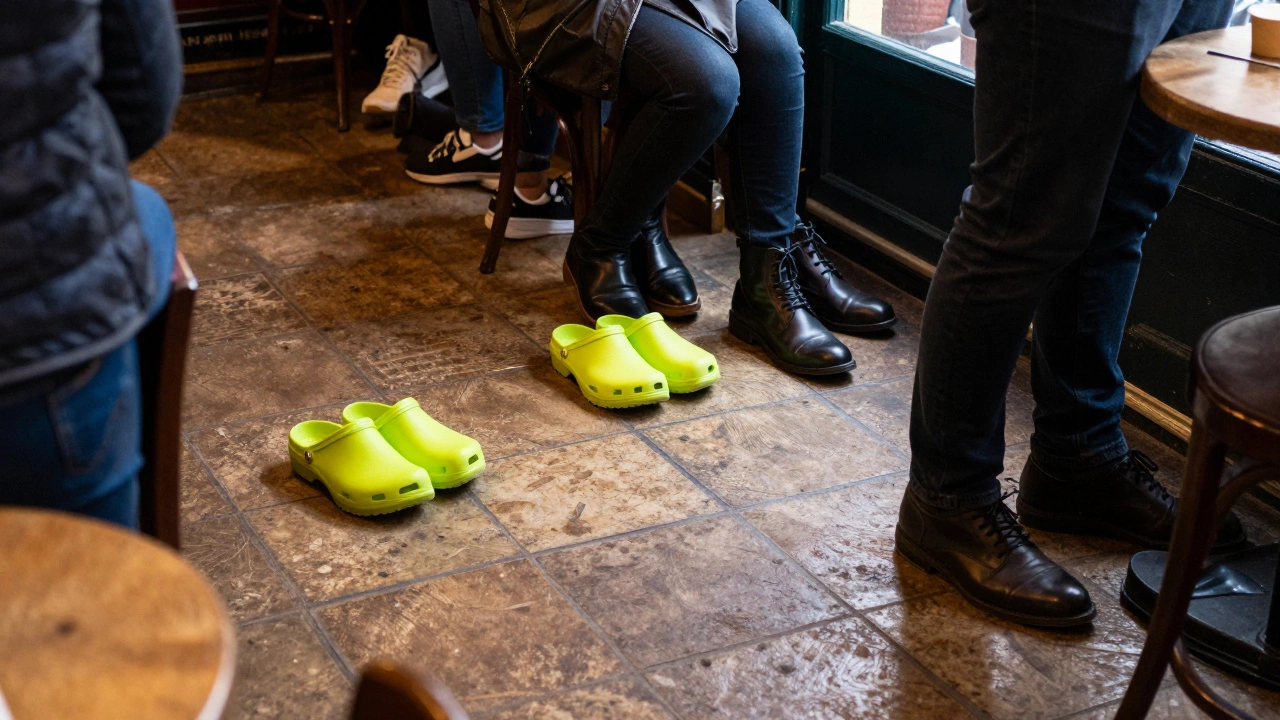
For those on their feet for twelve hours a day, like nurses in the HSE or chefs in a busy Dublin bistro, the appeal is obvious. The Croslite material provides a level of cushioning that traditional leather shoes can't touch. When you're sprinting between wards or dodging hot oil in a kitchen, that lightweight feel is a game-changer. But there's a catch: the classic "hole-filled" design is a safety nightmare in these environments.
Where Crocs Actually Work (And Which Models to Use)
You can't just grab the pair you wear for gardening and head into a professional setting. If you want to keep your job and your toes, you need to look at the specialized range. For example, the "Work' line is designed specifically to meet certain safety standards.
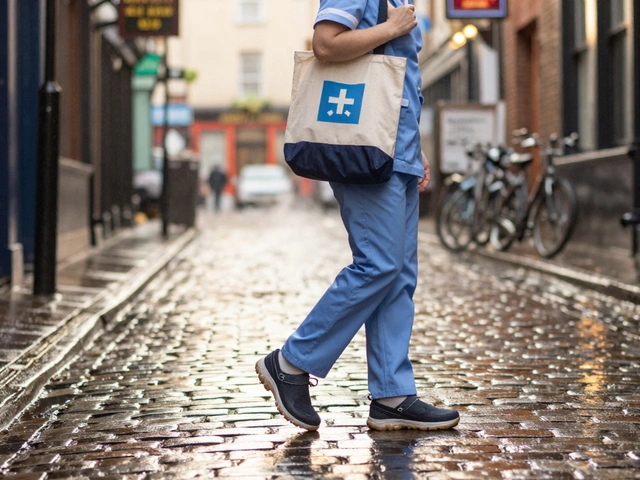
In the healthcare sector, you'll see a lot of the "Bistro" model. These are closed-toe, which prevents hot liquids or needles from landing directly on your skin. They also feature non-slip treads, which are essential for those slippery tiled floors common in Irish hospitals. If you're working in a pharmacy or a dental clinic, these are often seen as a reasonable compromise between comfort and hygiene.
| Model Type | Recommended For | Risk Level | Key Feature |
|---|---|---|---|
| Classic Clog | Creative studios, home offices | High (Too Casual) | Ventilation holes |
| Bistro Pro | Kitchens, Wards, Labs | Low (Industry Standard) | Closed toe, Non-slip |
| Literide | Retail, Light warehouse | Medium (Style based) | Enhanced cushioning |
| Specialized Boots | Outdoor maintenance | Low (Weather proof) | Water resistance |

The Safety Red Line: Health and Safety Authority (HSA) Rules
Here is where the conversation gets serious. In Ireland, the Health and Safety Authority (HSA) sets the guidelines for workplace safety. If your job description includes handling heavy machinery, moving crates in a warehouse in Ballymount, or working on a construction site in Cork, Crocs are not just "unacceptable"-they are dangerous.
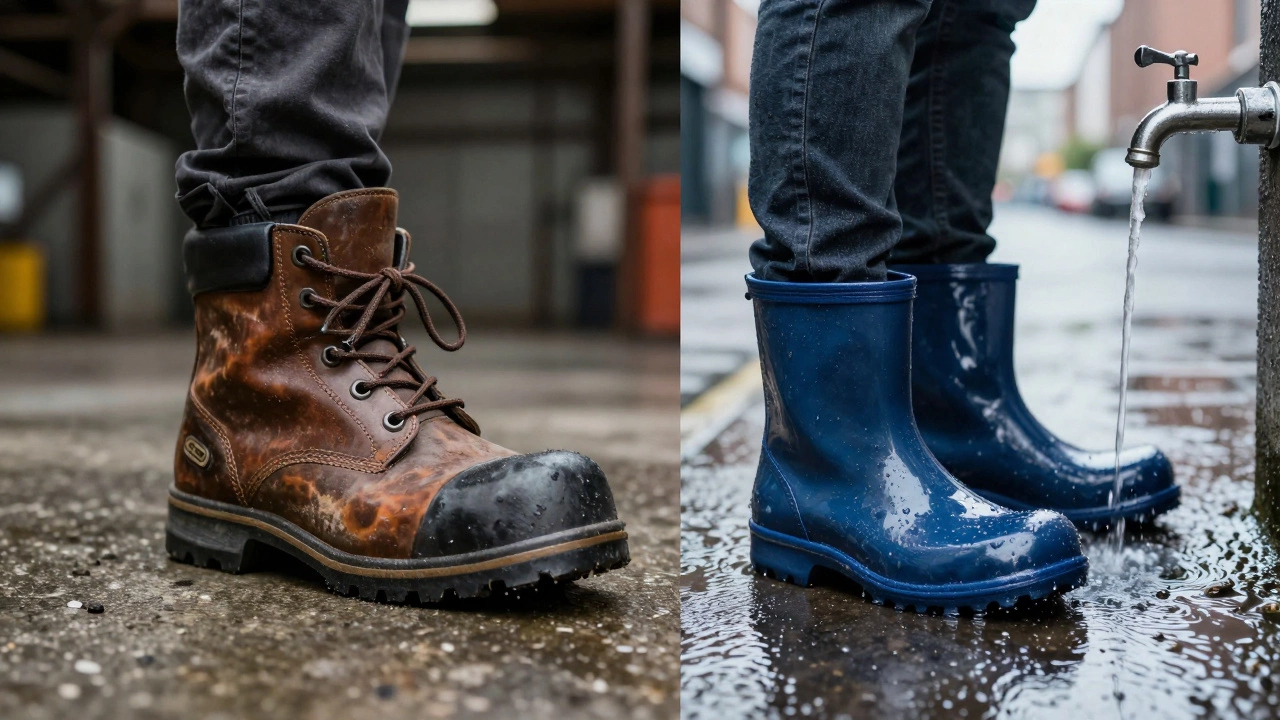
The foam material provides zero protection against crushing injuries. If a heavy pallet drops on your foot, a foam clog will do nothing to stop the impact. In these cases, you need Safety Boots with a steel or composite toe cap. No matter how much your feet ache at the end of the shift, swapping safety boots for foam clogs is a fast track to a serious injury and a potential disciplinary hearing for violating safety protocols.
The Corporate Culture Clash
Let's talk about the "Business Casual" enigma. In many modern Dublin offices, the dress code has loosened since the pandemic. We've seen a shift toward sneakers and "athleisure." But does that extend to Crocs? Usually, no.
There is a psychological element to how we perceive professionalism. Wearing Crocs to a client meeting in the Docklands can signal a lack of effort or a disregard for the formality of the occasion. While a pair of clean, white sneakers might pass as "modern professional," Crocs still carry a stigma of being "house shoes." If you're in a role where you need to project authority or reliability, sticking to leather shoes or polished boots is the safer bet.
Hygiene and Practicality in the Irish Climate
One of the biggest arguments for Crocs in the workplace is the Irish weather. We all know the struggle of walking into work in November with soaking wet feet because the rain has seeped through our leather shoes. The waterproof nature of the resin makes them incredibly easy to clean. A quick wipe with a disinfectant cloth, and they're fresh again.
This makes them a favorite for those working in "messy" environments. Whether it's a dog groomer in Kilkenny or someone working in a flower shop on Moore Street, the ability to simply wash your shoes under a tap is a huge advantage. However, remember that the very thing that makes them waterproof-the non-breathable material-can lead to sweaty feet if you're wearing them in a heated office all day. Pro tip: always wear moisture-wicking socks to avoid the "swamp foot" effect.
Making the Decision: A Simple Logic Tree
Still not sure if you can rock the clogs? Ask yourself these three questions:
- Does my job involve a risk of heavy objects falling on my feet? If yes, forget the Crocs; get safety boots.
- Am I representing the company to external clients in a formal setting? If yes, leave the Crocs at home.
- Is my environment prone to spills, liquids, or blood? If yes, go for the closed-toe "Work" models.
If you've cleared these hurdles, you're likely in the clear. Just remember that the first time you wear them, you might get a few comments from colleagues. The best way to handle it? Focus on the productivity boost that comes from not having blisters on your heels by 2 PM.
Are Crocs allowed in Irish hospitals?
In many cases, yes, but with strict conditions. Most healthcare facilities in Ireland require closed-toe footwear to protect against spills and sharps. The Crocs "Bistro" or "Work" lines are usually acceptable because they lack the holes found in the classic clogs and offer non-slip soles. Always check your specific ward's policy.
Can I wear Crocs in a professional office environment?
Generally, it is not recommended. While office dress codes have become more casual, Crocs are still viewed as leisurewear. If you work in a creative agency or a very relaxed startup, you might get away with it, but for corporate roles, it's better to choose smart sneakers or loafers.
Do Crocs provide enough support for 8+ hours of standing?
For many, yes, because of the cushioning. However, podiatrists often warn that the loose fit of a clog doesn't provide the arch support needed for long-term foot health. If you're on your feet all day, consider adding a supportive insole to your work clogs.
Are they a safe choice for kitchens and restaurants?
Only if they are the non-slip, closed-toe versions. Standard Crocs with holes are dangerous in a kitchen because hot oil or boiling water can leak through the holes directly onto your skin. Use the professional line designed for hospitality.
Will my employer fire me for wearing Crocs?
Unlikely for a first offense, but if you violate a documented health and safety policy (like wearing foam shoes in a warehouse), it could lead to formal disciplinary action. It's always better to ask for clarification on the dress code first.
Next Steps for Your Work Wardrobe
If you've decided that Crocs aren't for your specific job but you still need comfort, look into brands like Skechers or Clarks, which often bridge the gap between "sporty" and "smart." If you're in a high-risk environment, visit a dedicated safety gear supplier in your local industrial estate to get boots that are properly fitted and certified.